By Bennett's Concrete and Excavation, Norwich, NY. Updated October 2026.
The short answer
Site preparation is the work that turns a piece of ground into a stable, well-drained base for whatever you're building. On a typical home project it covers clearing, stripping topsoil, digging down or filling up to the right height, placing and compacting stone, and shaping the ground so water runs away.
For a concrete patio, that might be a day of work. For a new house lot, it can be the biggest part of the job before the foundation crew ever shows up.
The usual steps, in order
- Call 811. New York's Code 753 requires notice to the one-call center at least two working days and no more than 10 working days before digging. Upstate, that's UDIG NY. Our 811 guide covers how it works.
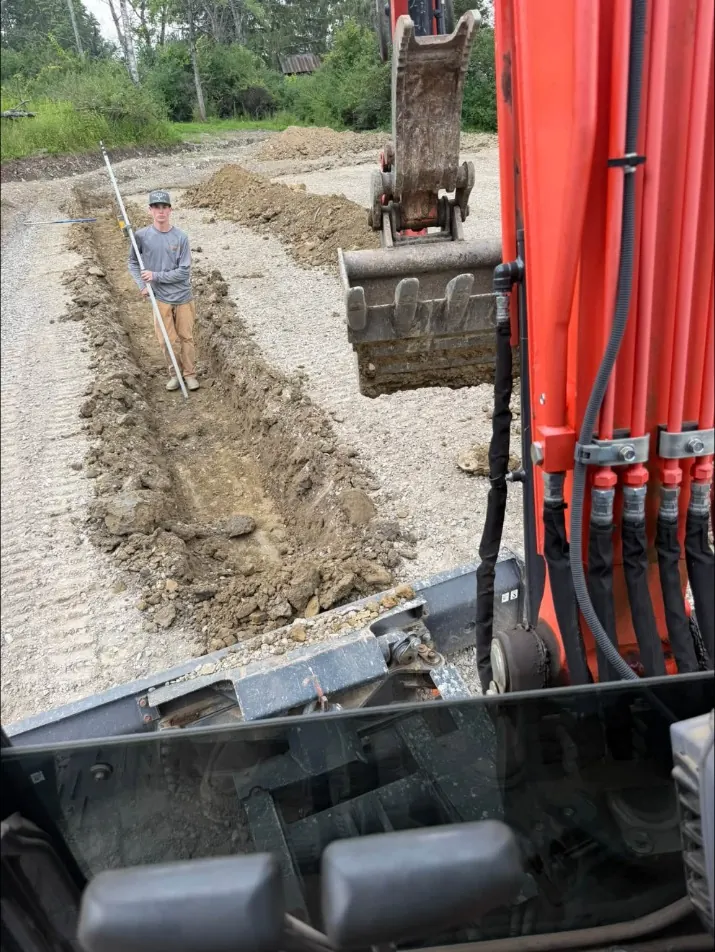
- Lay out the work. Stakes, string or paint show where the slab, driveway or building goes and the height it finishes at.
- Clear. Brush, stumps, roots and debris come out of the footprint.
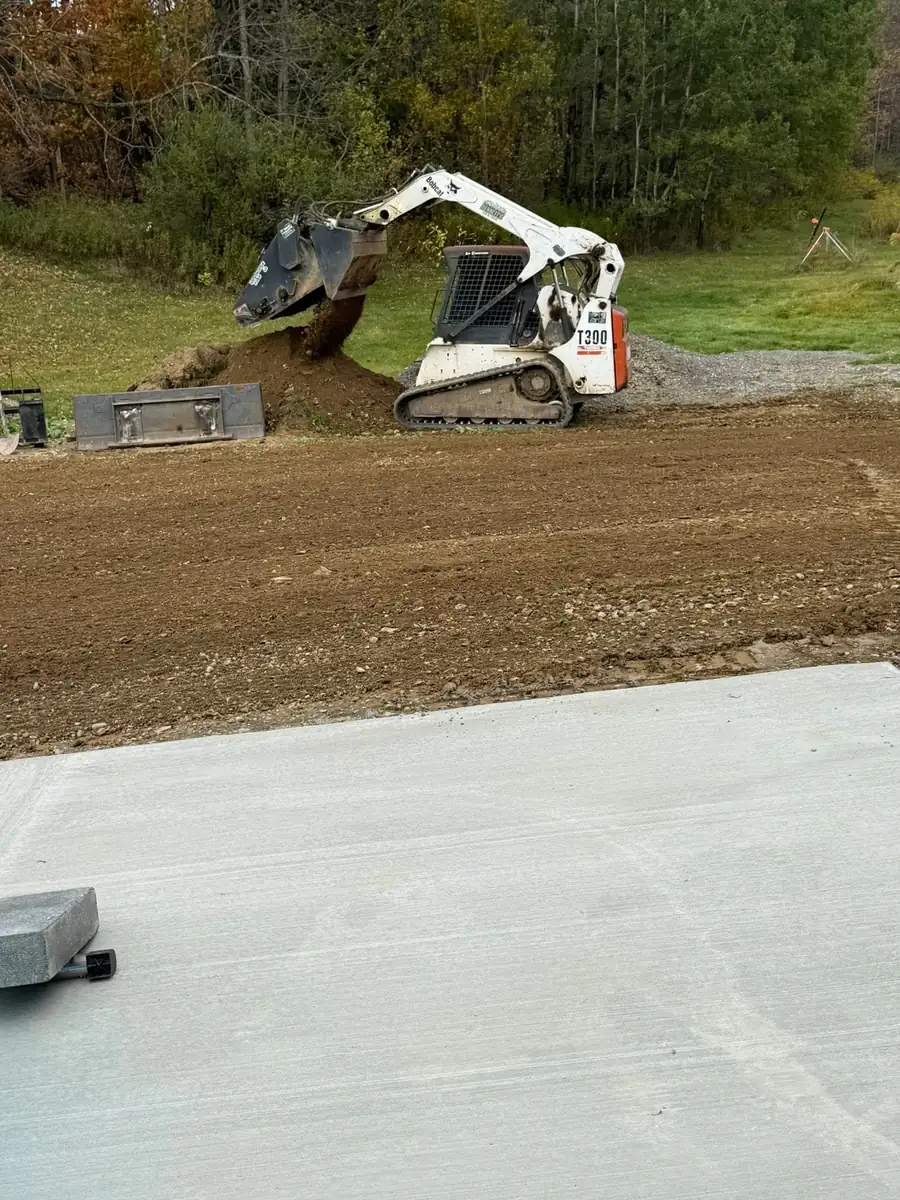
- Strip topsoil. It gets pushed aside and stockpiled for later, not buried under the project.
- Cut and fill. High spots get dug down. Low spots get built up with suitable fill, placed in layers and compacted.
- Check the subgrade. Soft or wet spots get dug out and replaced, or bridged with fabric and stone.
- Place the base. Crushed stone goes down and gets compacted to the depth the project calls for.
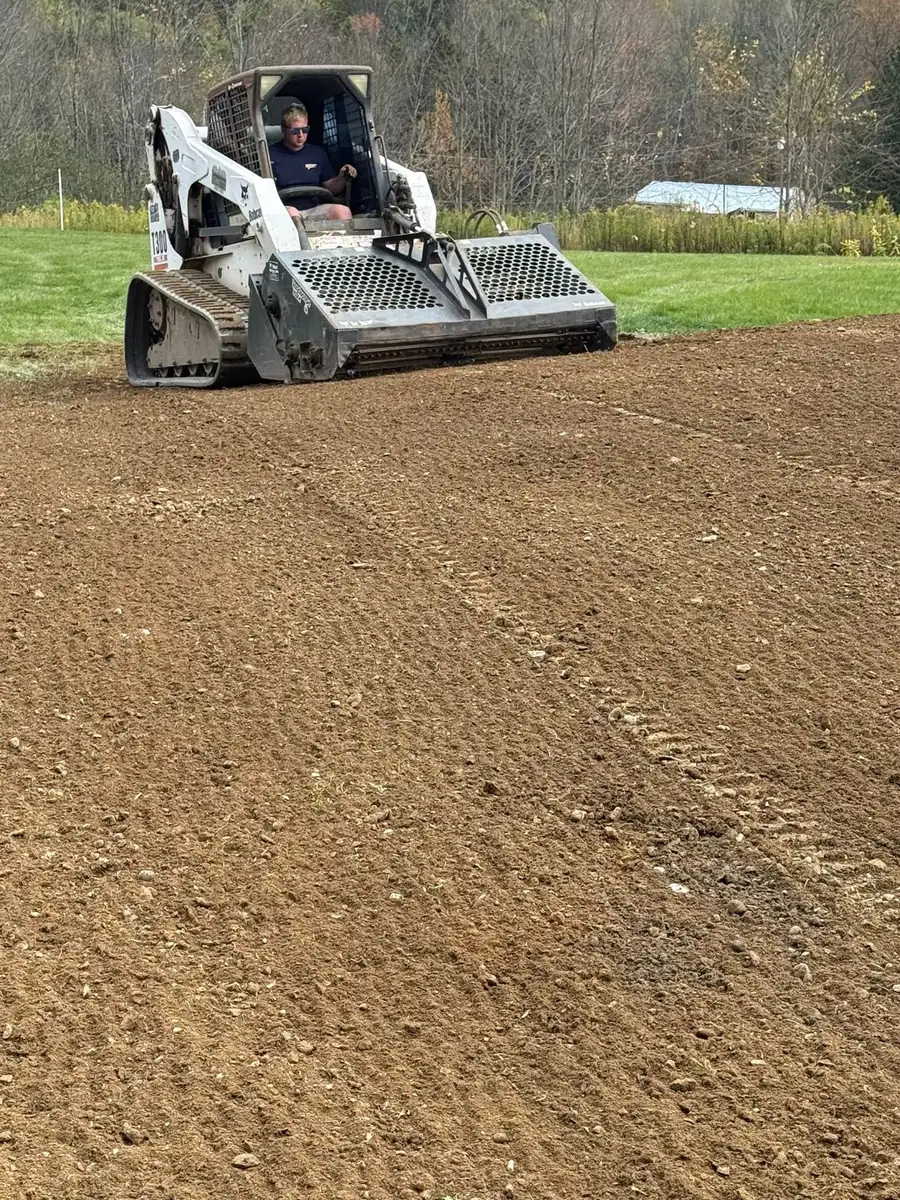
- Final grade. The ground around the work is shaped to shed water, then topsoil and seed go back on bare areas.
Why topsoil never stays under a slab
Topsoil is the dark, living layer on top. It holds roots and organic matter, which is good for grass and bad for anything heavy. The University of Connecticut's soil lab says good topsoil should have at least 2 percent organic matter and no more than about 10 percent. That organic material keeps breaking down and compressing for years, so a slab or driveway built on it settles.
Stripping it is standard practice, and saving it in a pile means you have soil for the lawn when the work is done. Our topsoil vs. fill guide explains the difference between the two.
In Central NY, water is the real problem
Much of the ground around here is dense, silty glacial till. Cornell's Local Roads Program rates silts and silty materials, which it says includes most materials called clay in New York State, as very highly frost susceptible. Those soils hold water, and wet soil that freezes expands and lifts whatever sits on it.
The same Cornell manual names excess water as the most significant cause of potholes. A driveway or slab works the same way. Good site prep moves water out: the subgrade is sloped, the stone base drains, and the finished grade falls away from buildings.
What site prep looks like by project
| Project | Main prep focus |
|---|---|
| Patio or walkway | Strip sod and topsoil, compacted stone base, slope away from the house |
| Driveway | Dig out soft soil, fabric on wet ground, a thicker base, crown or cross slope, ditch and culvert at the road |
| Garage or pole barn slab | Level pad wider than the building, compacted stone, drains and plumbing set before the pour |
| House foundation | Dig to the depth on the plans, footing trenches, then backfill and final grade away from the walls |
Building on raw land? See preparing a building lot for the order of work.
Permits and approvals
Most small jobs don't need special approval for the dirt work itself, but a few things do. New York DEC requires construction stormwater permit coverage when a project disturbs one acre or more of soil. A new driveway entrance onto a public road needs a permit from whoever owns the road. Building permits, setbacks and footing depth come from your town or village code office. When in doubt, ask them before a machine shows up.
Getting it done
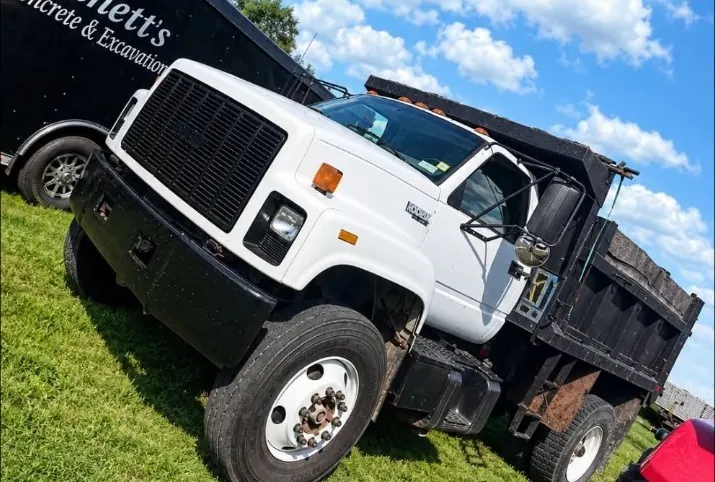
We handle site prep with our own Kubota mini excavator, Bobcat track loader and dump truck, so the dirt work and the concrete or gravel are done by the same crew. If you're planning a project, start with our site prep and grading or excavation pages.