
Concrete & Excavation Guides
67 guides from the crew that does the work: calculators, what to decide before a pour, and how to make concrete last through Central New York winters.
Concrete basics
How Long Does Concrete Take to Cure?
Concrete sets in hours, needs 3 to 7 days of curing and is rated at 28 days. What each stage means for your slab, plus curing methods and cold-weather limits.
Why Does Concrete Crack?
Concrete cracks because it shrinks, moves with temperature and sits on soil that moves. The main causes, what Central NY adds, and what reduces cracking.
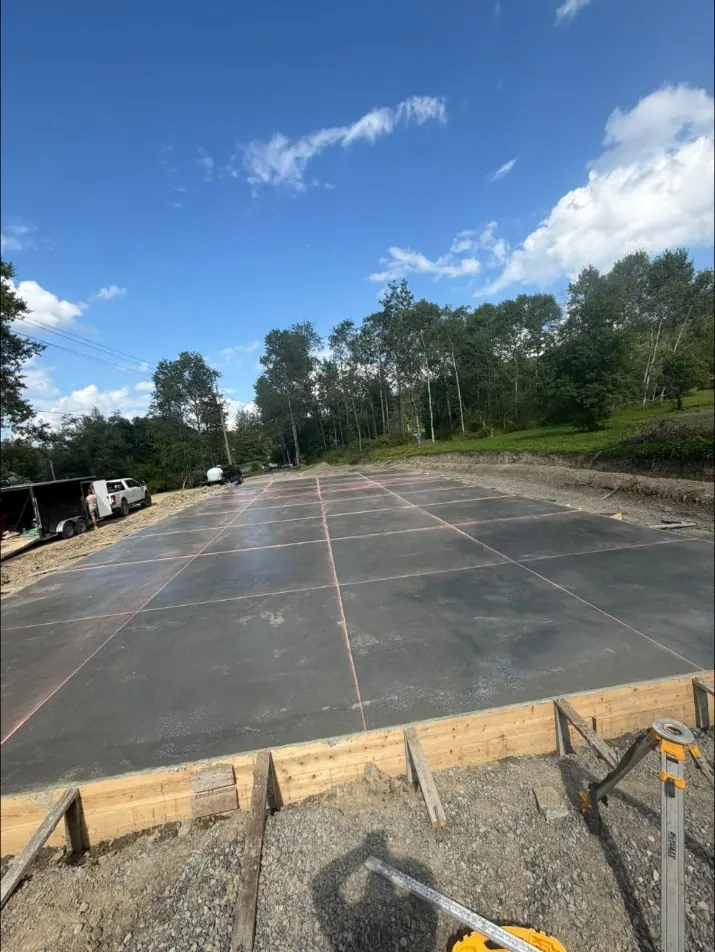
Control Joints in Concrete: Spacing, Depth and Timing
How far apart concrete control joints should be, how deep to cut them, when to saw, and how panel shape and isolation joints keep cracks in straight lines.
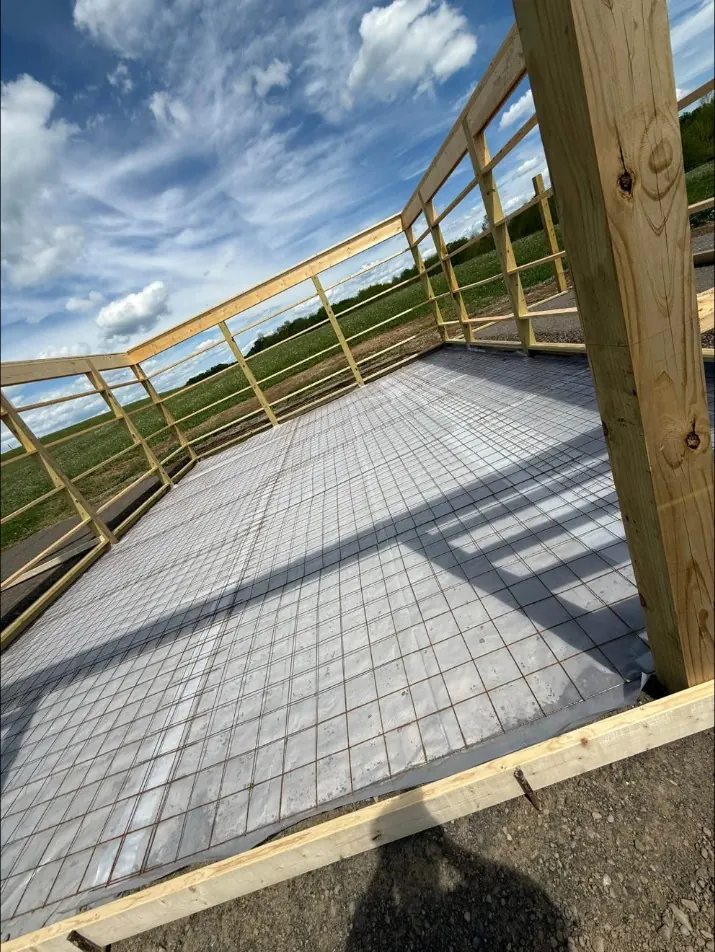
Rebar, Wire Mesh or Fiber: What Your Slab Needs
Rebar, welded wire mesh and fiber compared for slabs, driveways and floors: what each does, what none of them do, and why placement in the slab matters most.
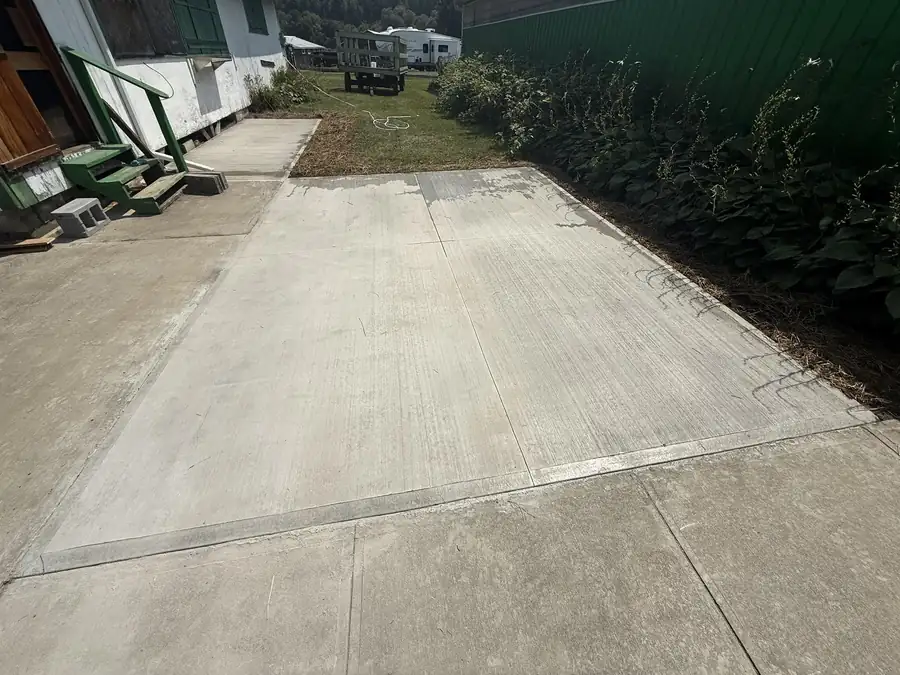
Air-Entrained Concrete and Freeze-Thaw
Air-entrained concrete holds billions of tiny bubbles that protect it from freeze-thaw and salt. Air content targets, NY code, finishing and pumping explained.
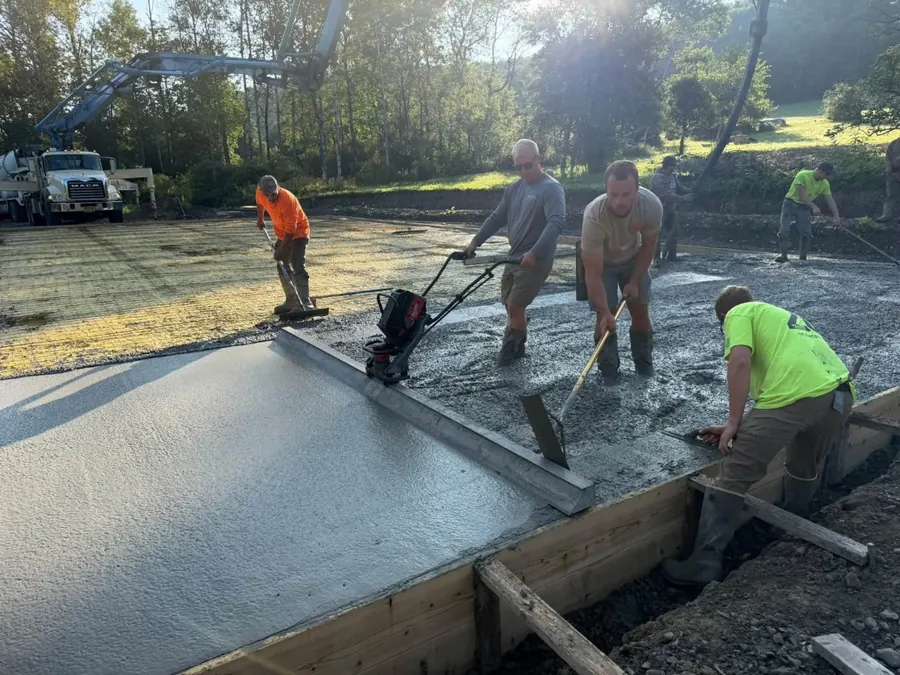
Concrete Strength and PSI, Explained
What concrete psi means, how it's tested at 28 days, typical strengths for homes and exterior slabs, and why water, air and curing matter as much as the number.
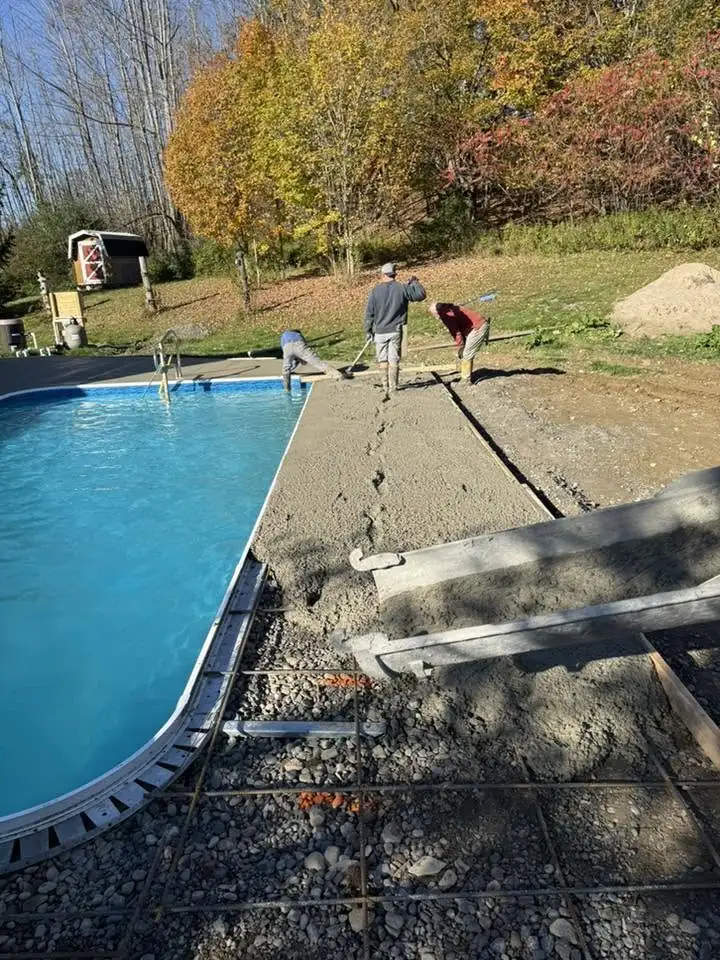
Pouring Concrete in Hot Weather
What heat, sun, wind and low humidity do to fresh concrete, the precautions crews take on summer pours, and why water should never go on the surface to finish.
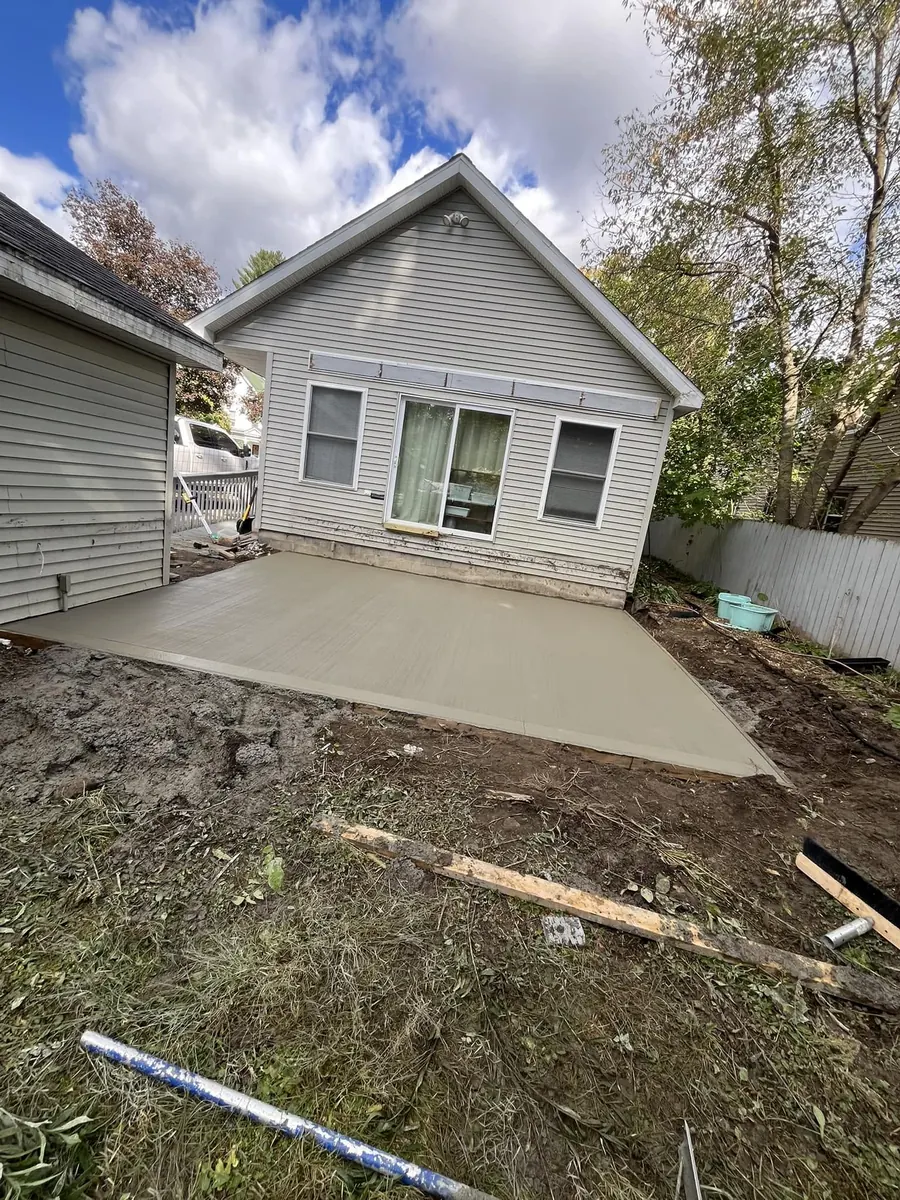
Hairline Cracks in New Concrete
Fine cracks in a new patio, driveway or garage floor? How to tell plastic shrinkage cracks, crazing and shrinkage cracks apart, and which ones are worth a call.
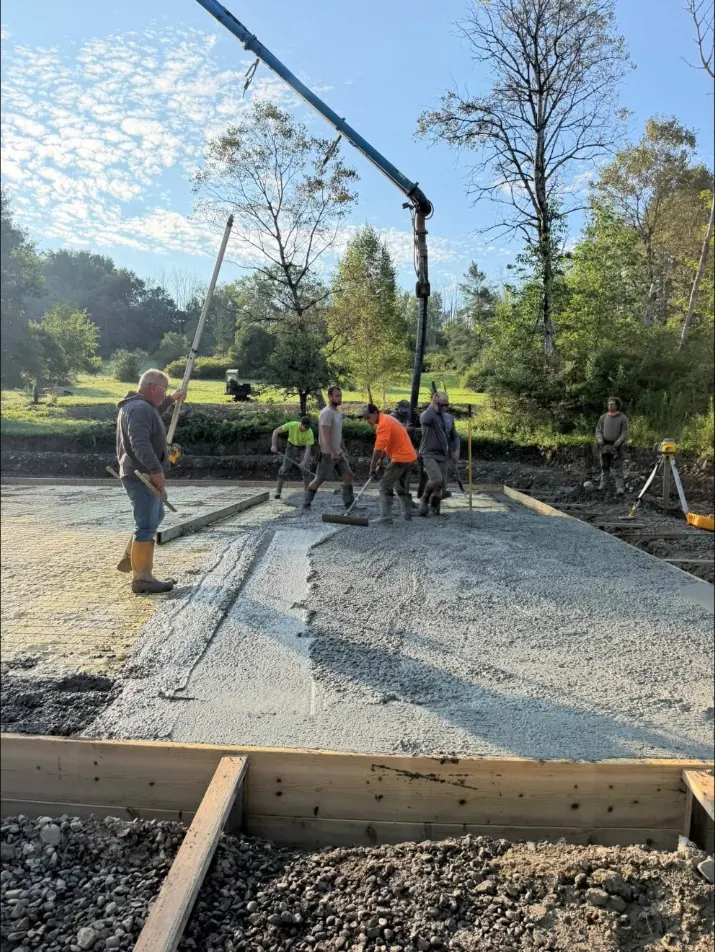
How Much Does a Yard of Concrete Cover?
A cubic yard of concrete covers about 81 square feet at 4 inches thick. Coverage by thickness, how to figure your order and why to order a little extra.
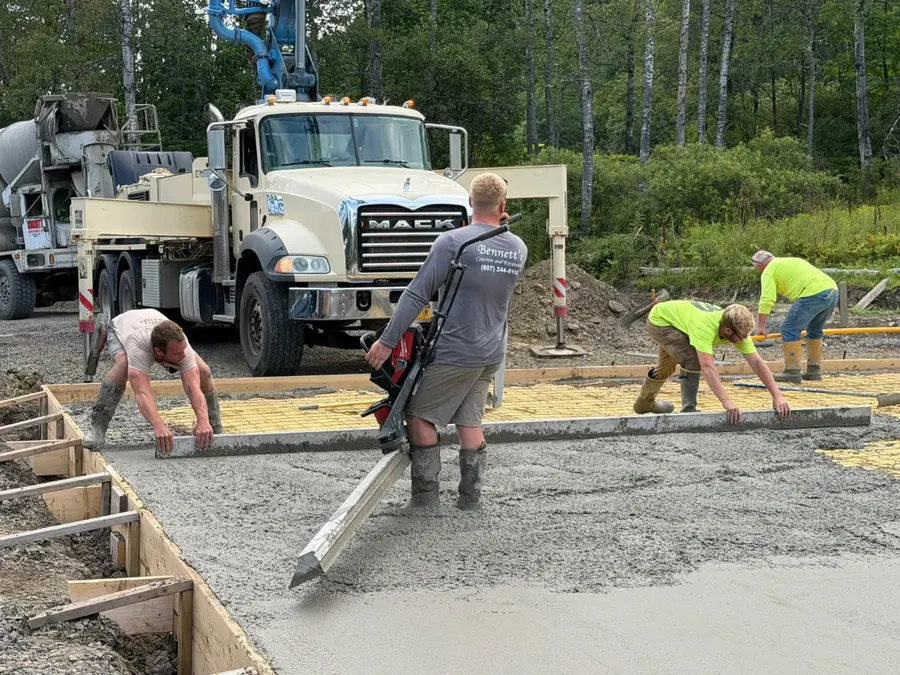
Bagged Concrete vs. Ready-Mix Concrete
When bagged concrete is fine and when you need a ready-mix truck: bags per yard, strength, consistency, truck access and the usual hand-mixing mistakes.
Broom Finish vs. Smooth Trowel Finish
Broom finish or smooth troweled concrete? Why outdoor slabs get broomed, why garage and shop floors get troweled, and how entrained air changes the choice.
Patios, walks & stamped
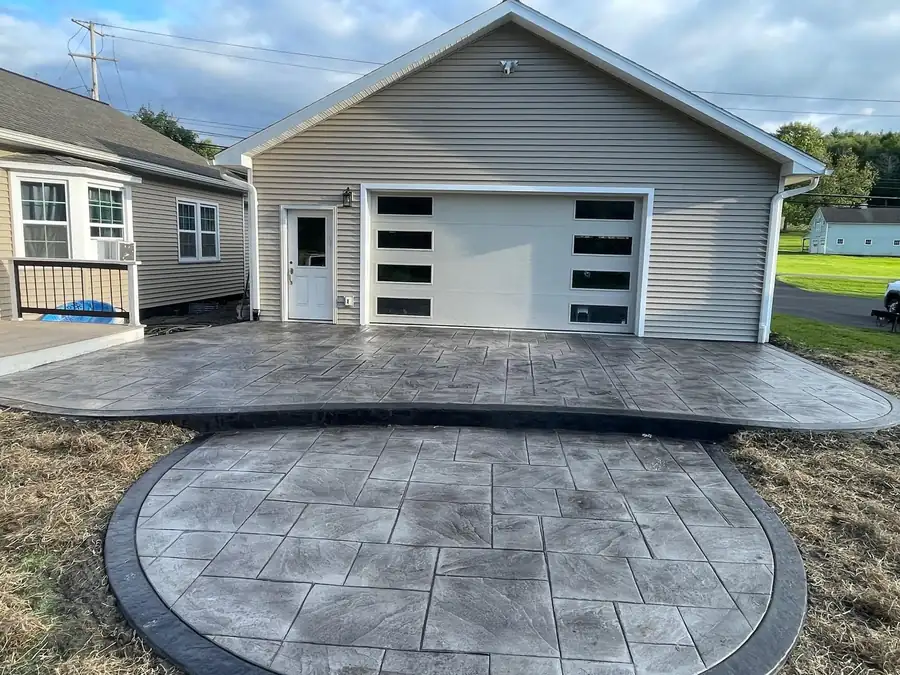
Stamped Concrete Patterns & Colors
Seamless slate, ashlar slate, wood plank and color borders explained, with real photos from Bennett's jobs in Central NY, plus sealing and slip resistance tips.
Stamped Concrete vs. Pavers
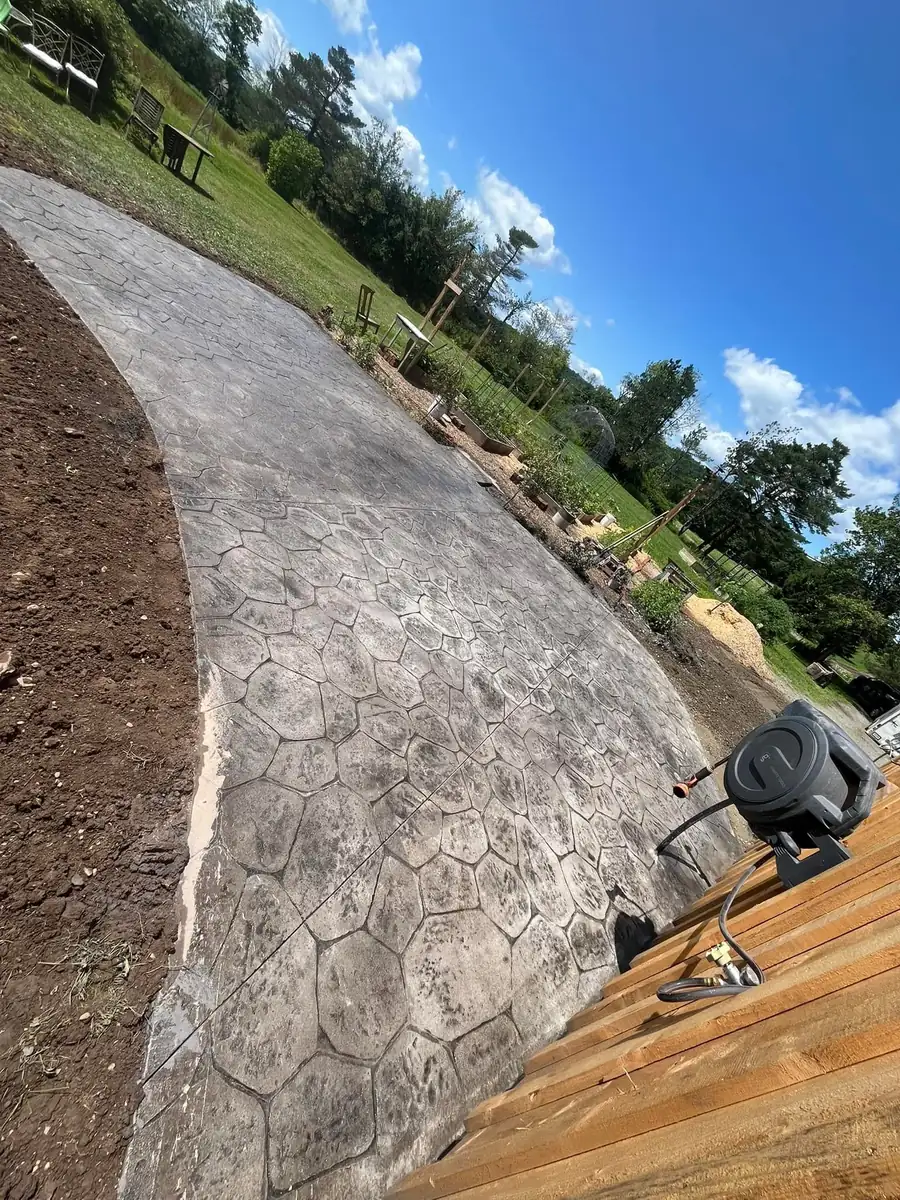
Stamped concrete or pavers for a Central NY patio or walk? Weeds, cracks, frost, salt, repairs and upkeep compared, with a Norwich paver-to-concrete job.
Planning a Concrete Patio
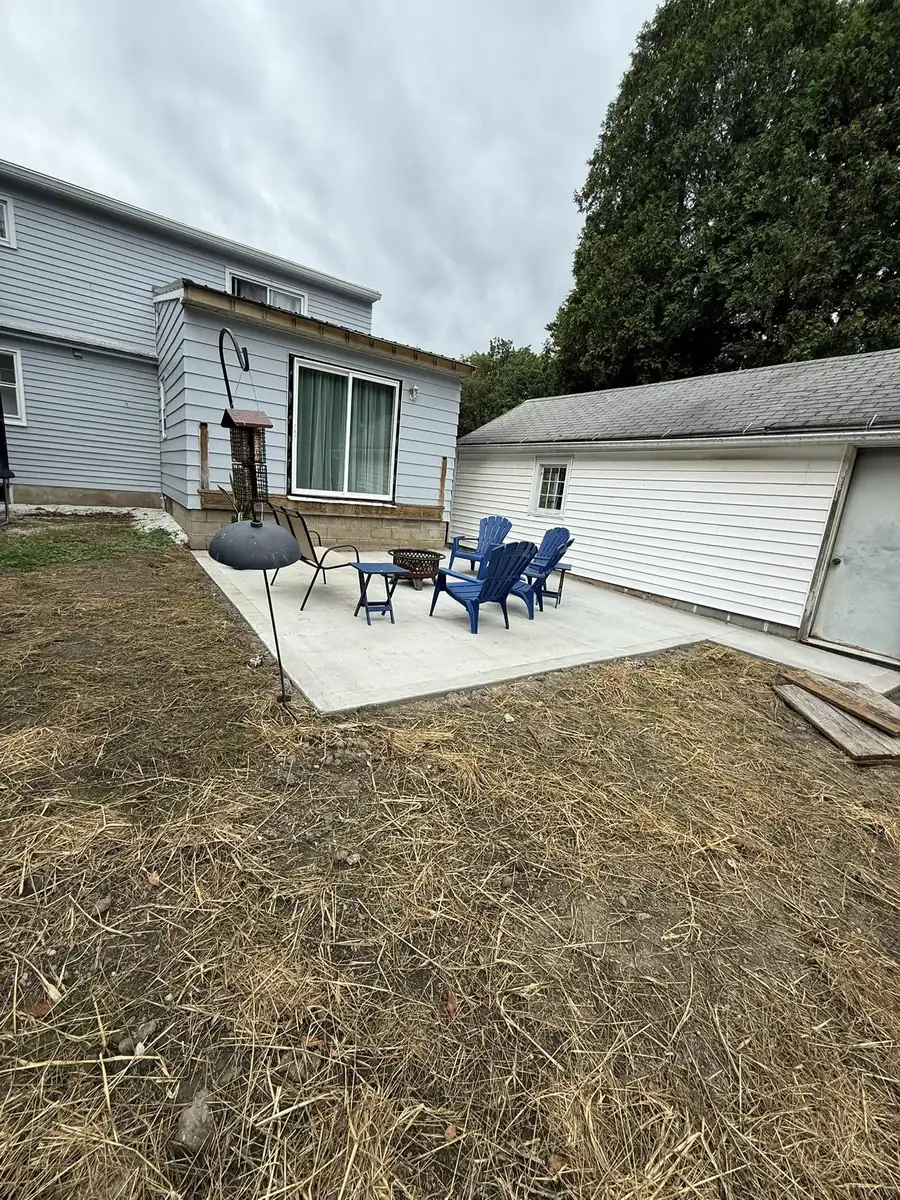
Plan a concrete patio that works: size and shape, slope away from the house, step height at the door, base, joints, finish choices and timing in Central NY.
Building a Concrete Pad for a Hot Tub
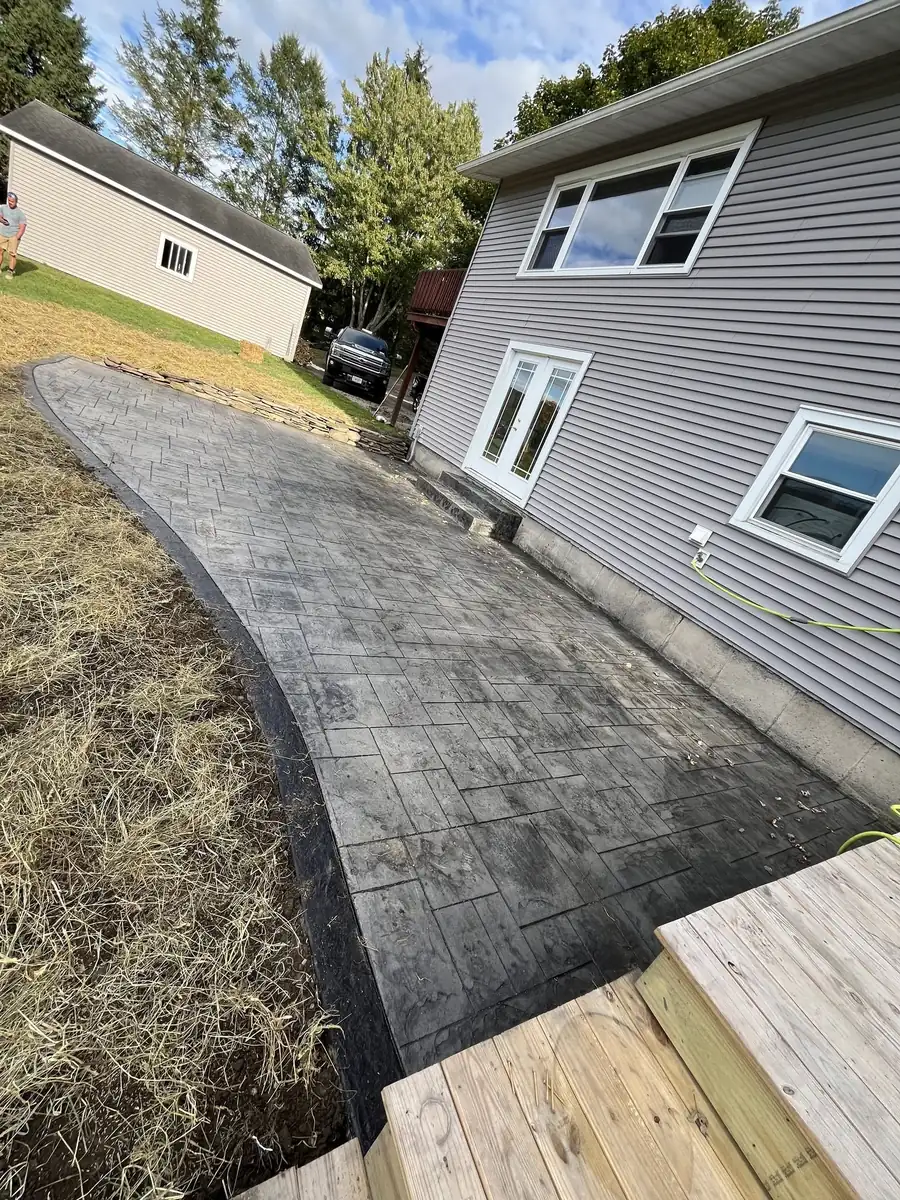
What a concrete hot tub pad needs: thickness, rebar, level, bonding, drainage and electrical planning, using spa maker specs and a North Norwich job.
Planning a Concrete Pool Deck
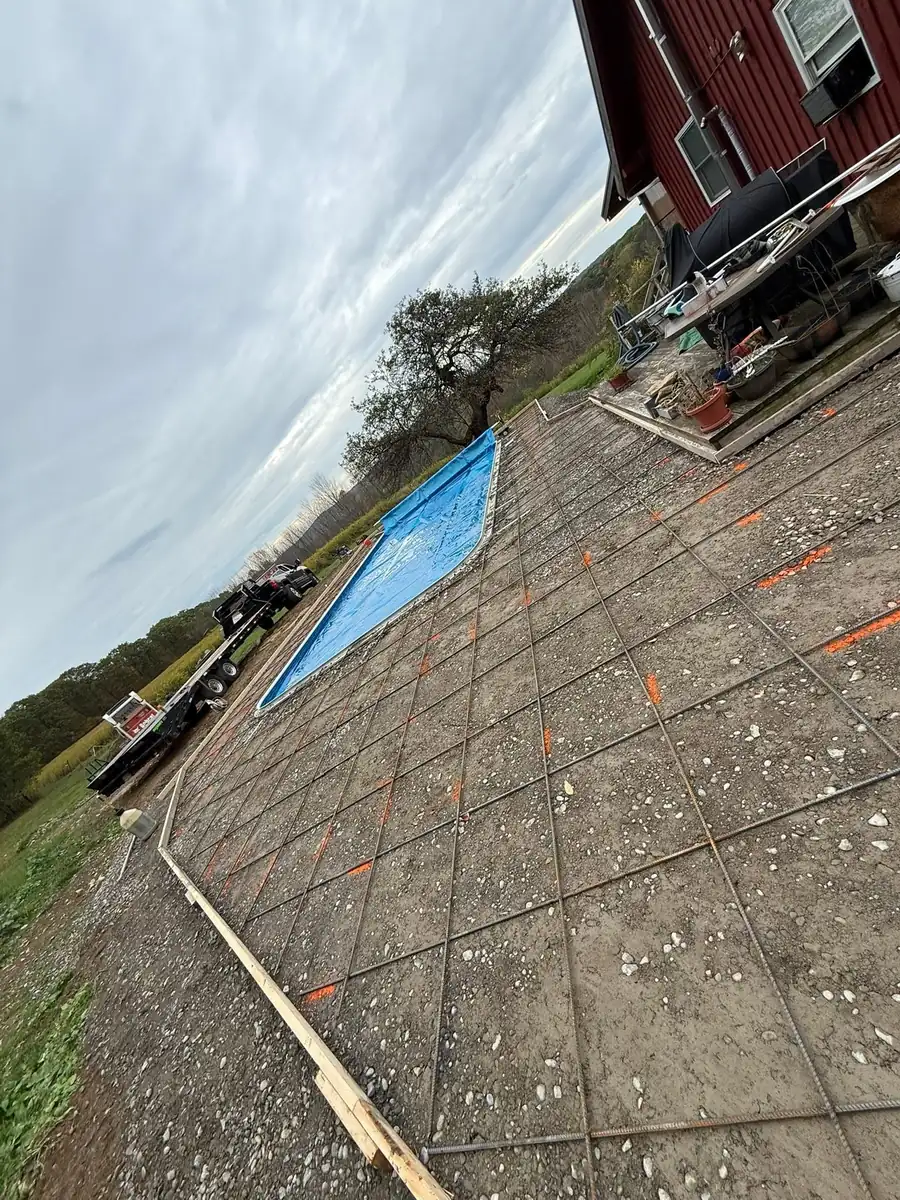
Planning a concrete pool deck in Central NY: slip-resistant finishes, sealing, bonding the deck, drainage, joints, and stamped vs broom finish choices.
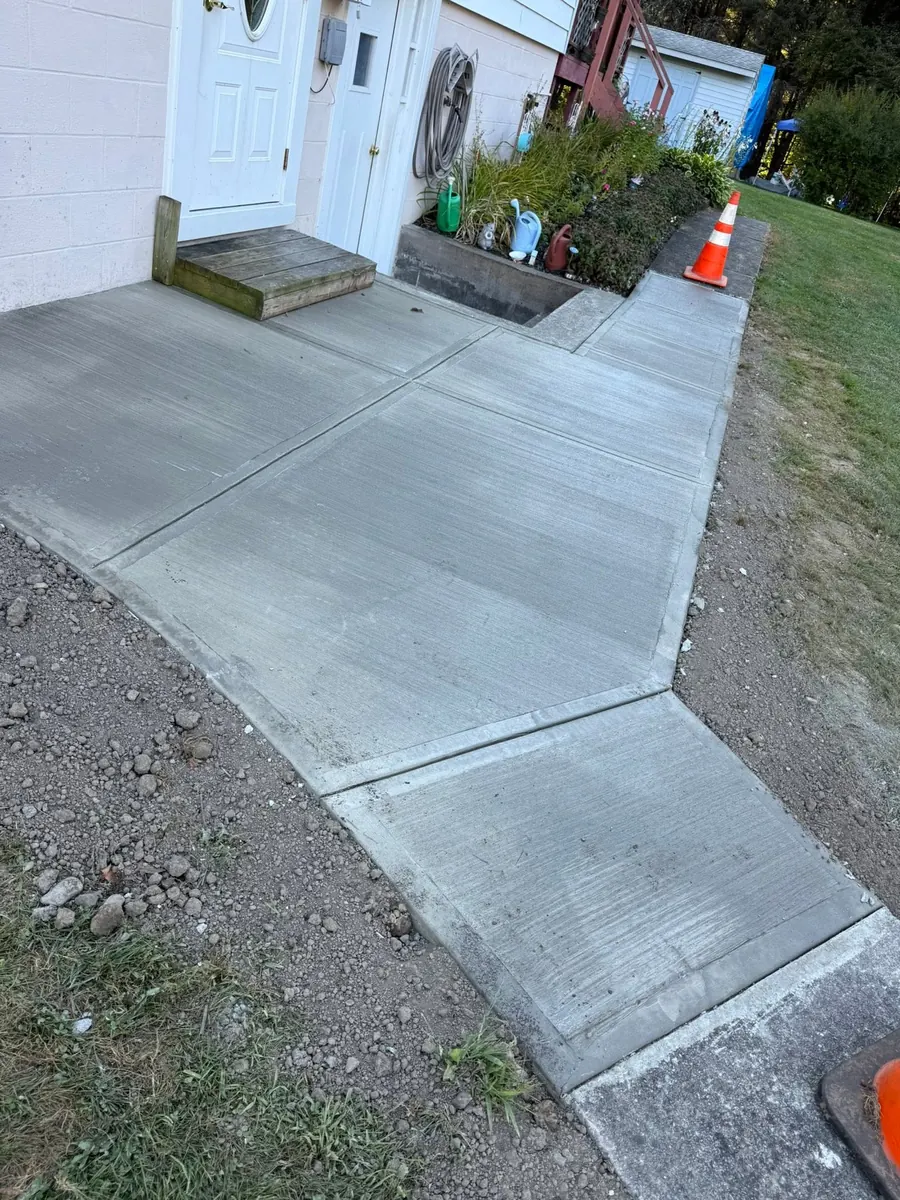
Sidewalk Replacement
Replacing a heaved, cracked or paver sidewalk in Central NY: public vs private walks, a city spec example, base, joints, finish and timing, with local jobs.
Driveways & garages
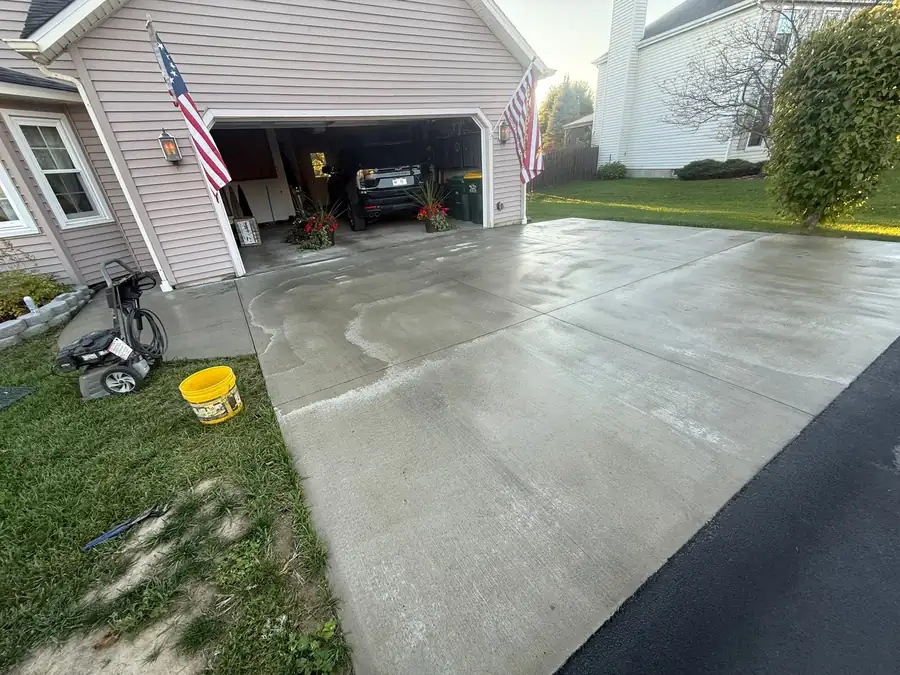
Concrete vs. Asphalt Driveways in Central New York
Concrete or asphalt for a driveway in Central NY? Lifespan, upkeep, winter salt, plowing and repairs compared by a Norwich concrete and excavation contractor.
When Can You Drive on New Concrete?
How long to wait before driving or parking on a new concrete driveway, why heavy trucks wait longer, and how cold Central NY weather changes the timeline.
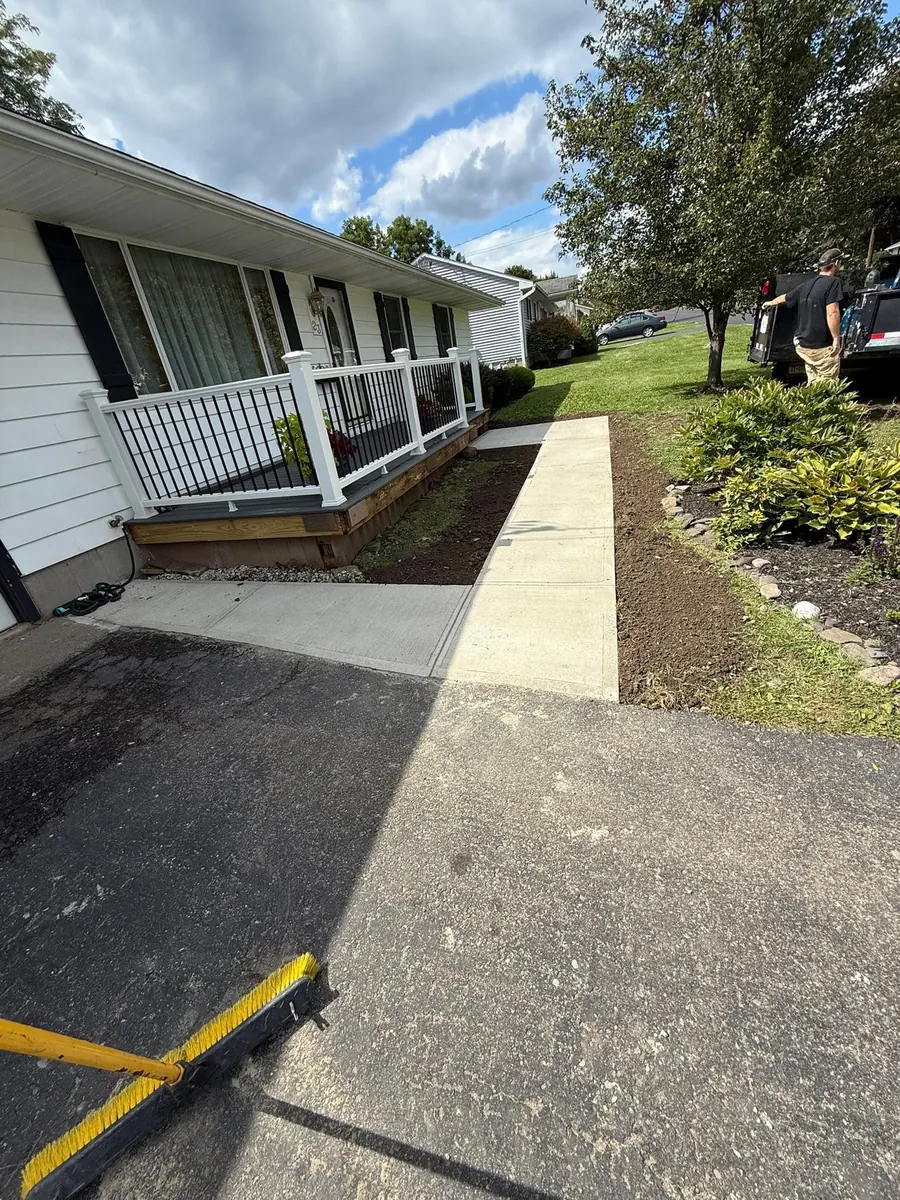
Should You Repair or Replace Your Concrete Driveway?
Cracked, scaling or sunken concrete driveway? How to tell when cleaning, sealing or panel replacement will do, and when full replacement makes more sense.
Garage Apron Replacement
Why the concrete apron at the garage door cracks, sinks and scales first in Central NY, and how a replacement apron is built, jointed and sealed against salt.
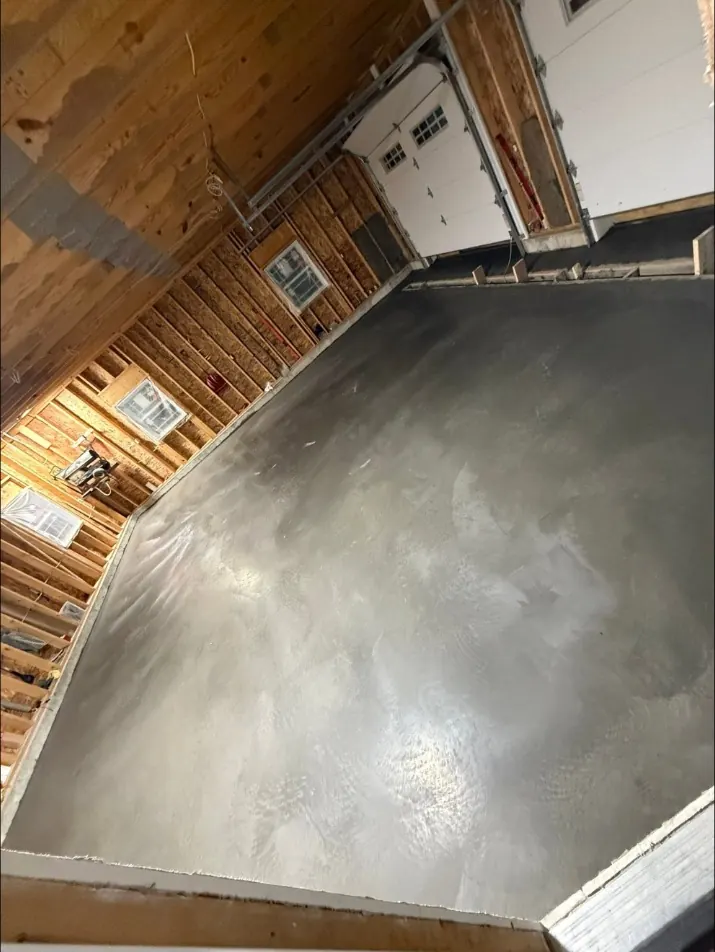
Garage Floor Replacement
When a cracked, sunken or scaled garage floor should be replaced, how removal and repour work, code basics for thickness and strength, and timing in Central NY.
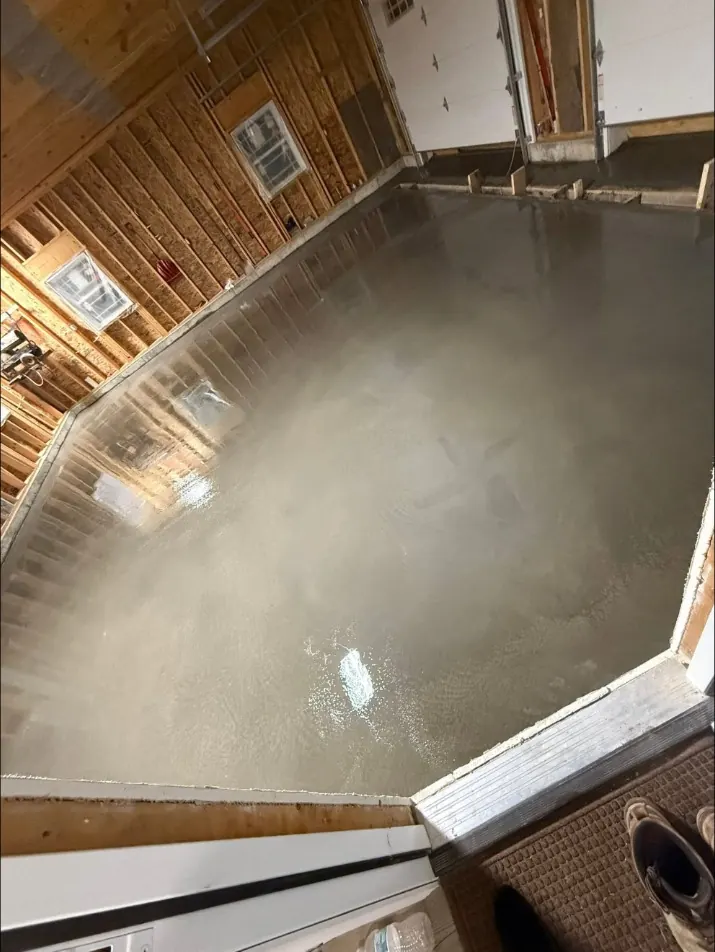
Garage Floor Slope and Drains
How much should a garage floor slope? What New York's residential code says, floor drains vs trench drains vs sloping to the door, and where drains can go.
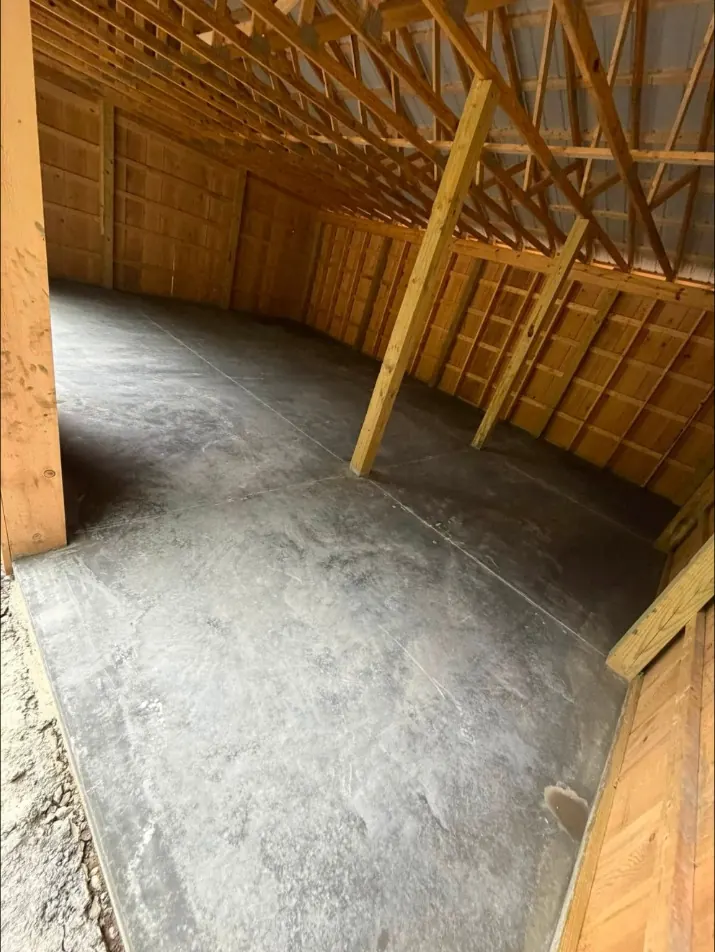
Pouring a Shop Floor for a Car Lift
Planning a garage or shop floor for a two-post or four-post car lift? Manufacturer slab thickness and strength specs, anchor spacing, joints and cure time.
Gravel vs. Concrete Driveways
Gravel or concrete for a Central NY driveway? Cost drivers, upkeep, plowing, salt, mud season and long rural drives compared, plus the hybrid many people pick.
Driveway Permits on State, County and Town Roads in NY
A new driveway onto a NY state highway needs a NYSDOT highway work permit. County and town roads have their own permits. Who to call and what reviewers check.
Slabs, barns & foundations
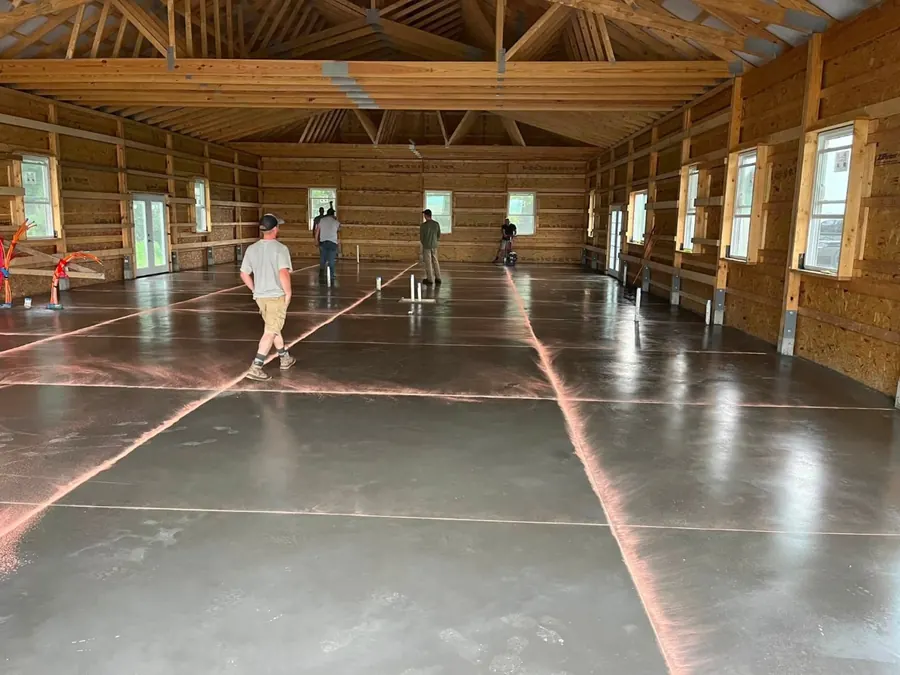
Pole Barn & Barndominium Floors: What to Plan
Planning a pole barn, shop or barndominium floor in Central NY? Timing, thickness, base, vapor barrier, mesh, radiant heat and drains.
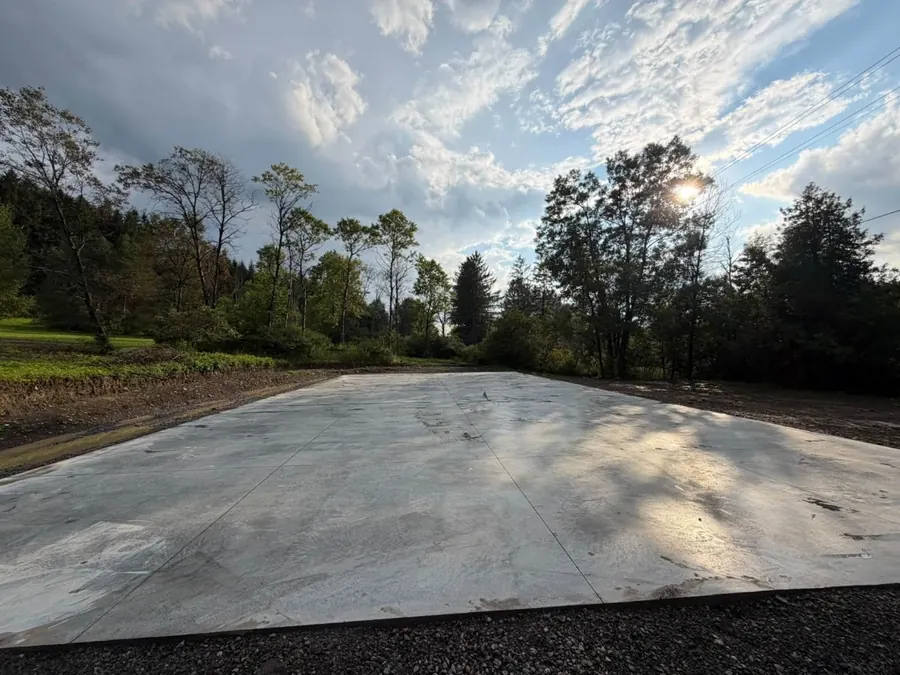
Monolithic Slabs in Central New York
What a monolithic slab is, when it works for garages and outbuildings in Central New York, and how frost depth and local code affect it.
ICF Foundations in Central New York
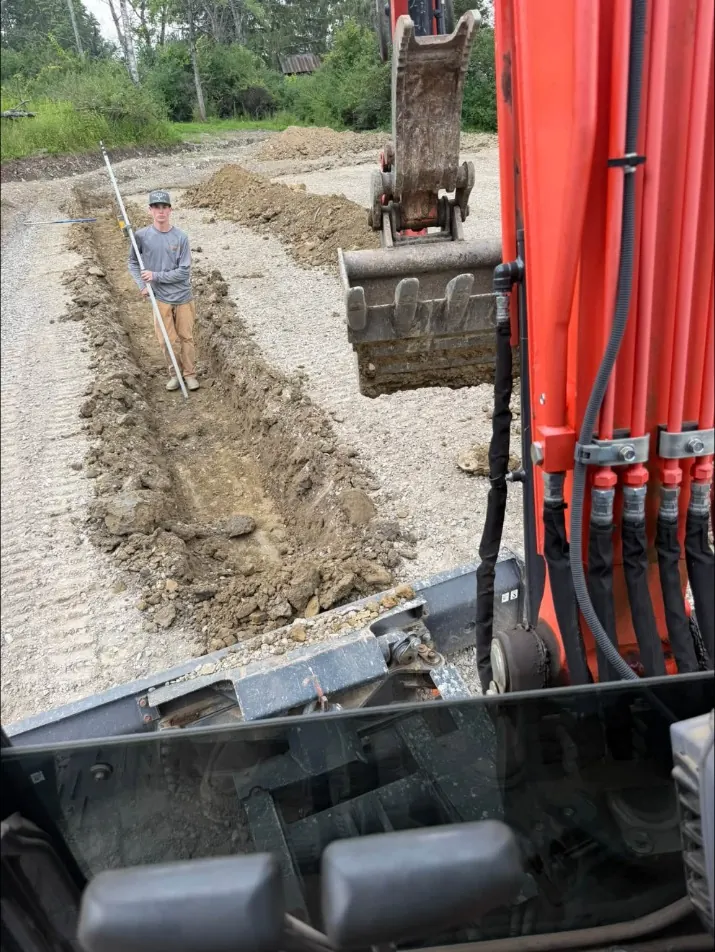
Insulated concrete form (ICF) foundations explained for Central New York: climate zone 6, insulation built into the wall, how the build goes, and what to ask.
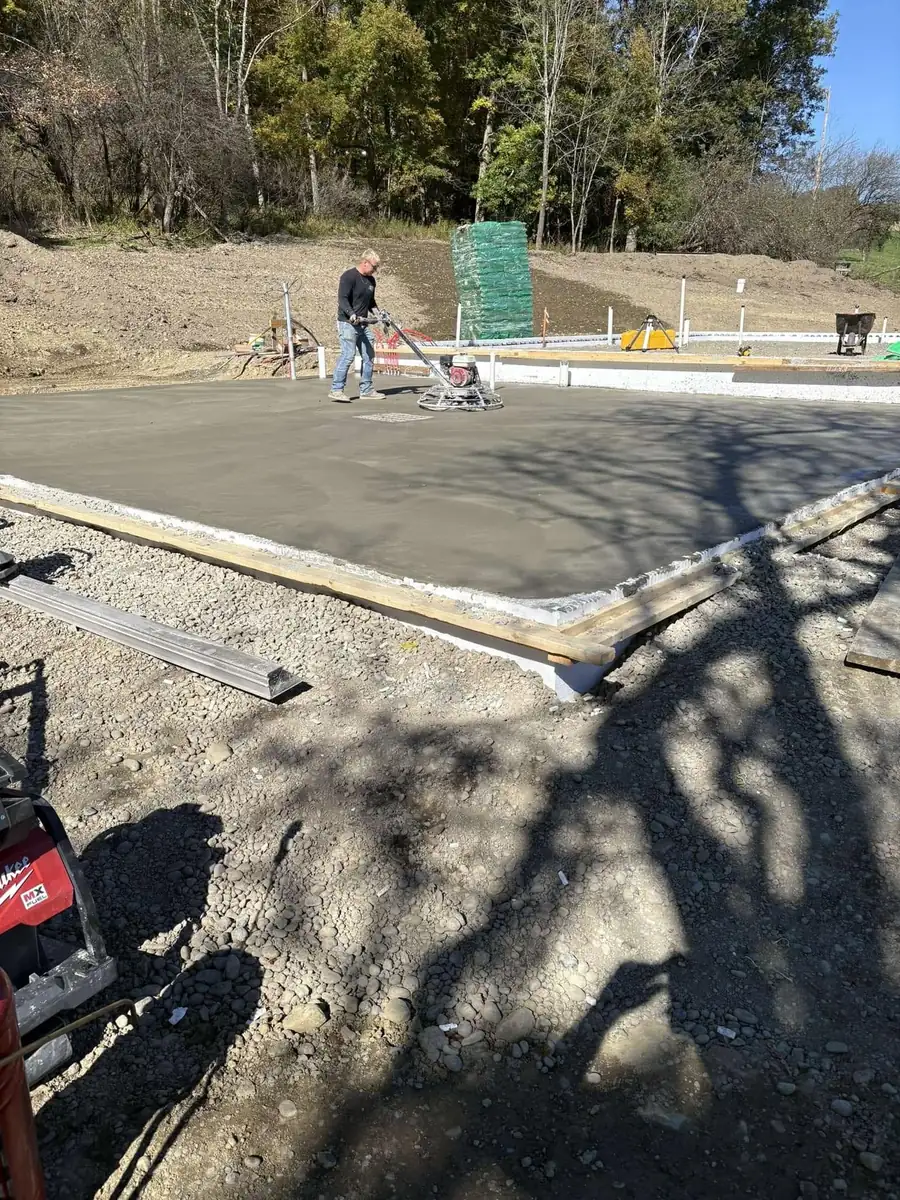
How Thick Should a Concrete Slab Be?
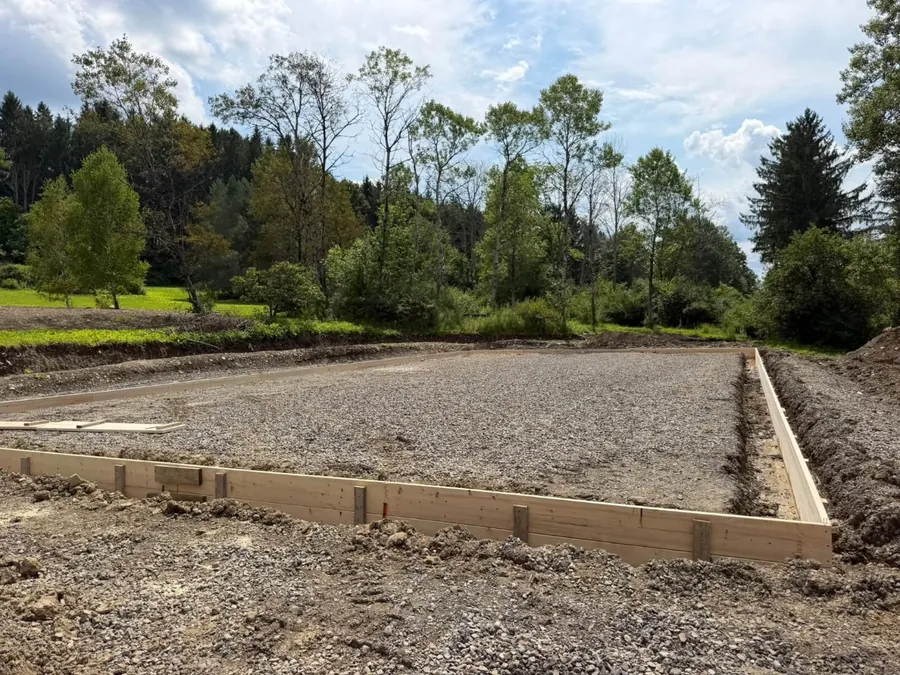
Slab thickness for patios, walks, driveways, garage and shop floors in New York: the code minimum, common rules of thumb and why the base matters as much.
Vapor Barriers Under Concrete Slabs
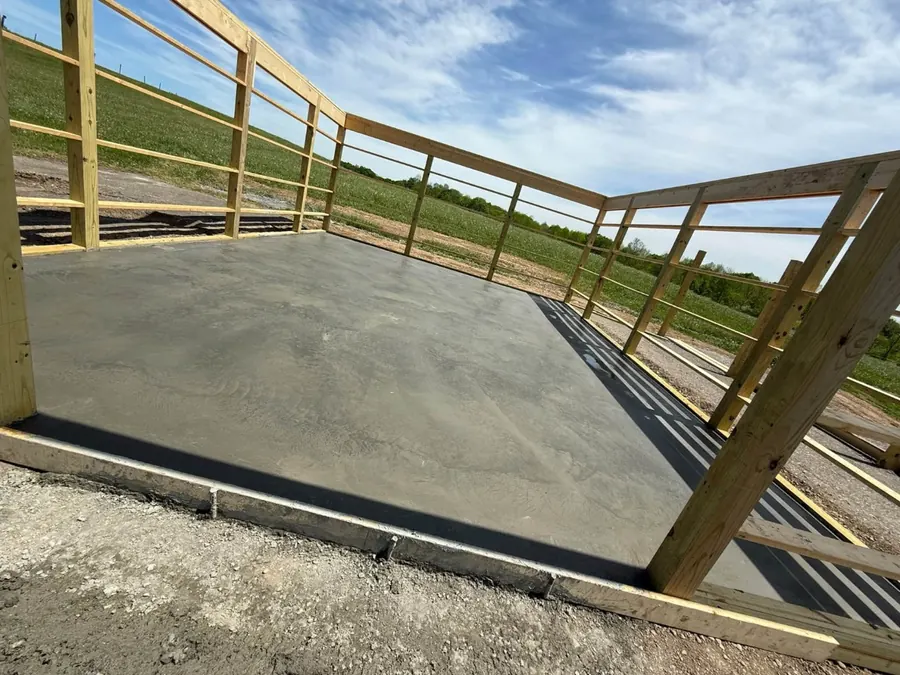
When a slab needs a vapor barrier, what NY code and NRMCA say about 6-mil vs 10-mil plastic, where it goes in the base, and why exterior slabs usually skip it.
Shed Pads: Gravel or Concrete?
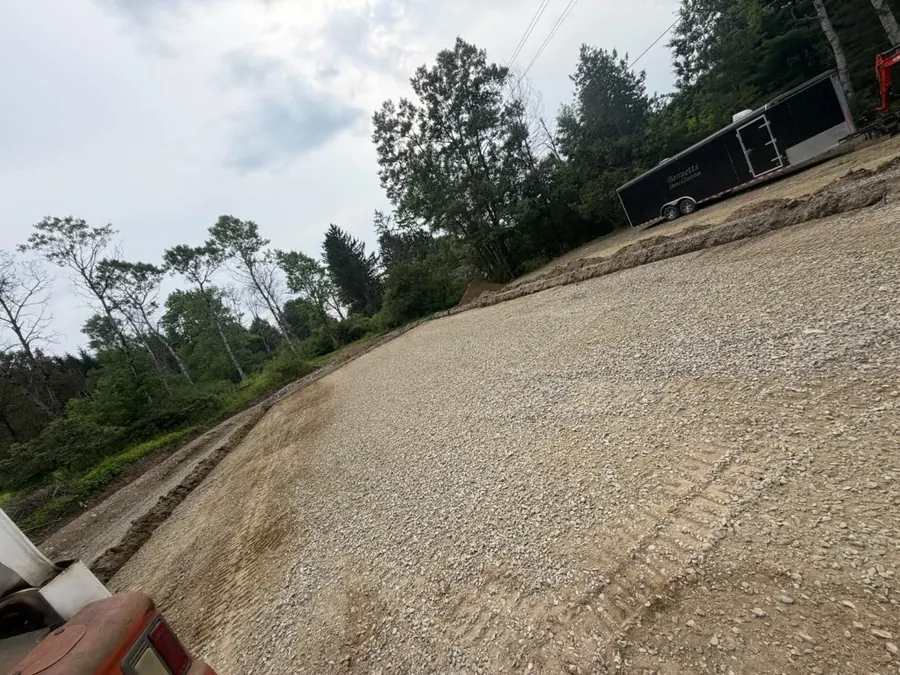
Gravel or concrete under a shed in Central NY? Drainage, frost, floors, cost drivers and New York's 144 square foot shed permit rule compared plainly.
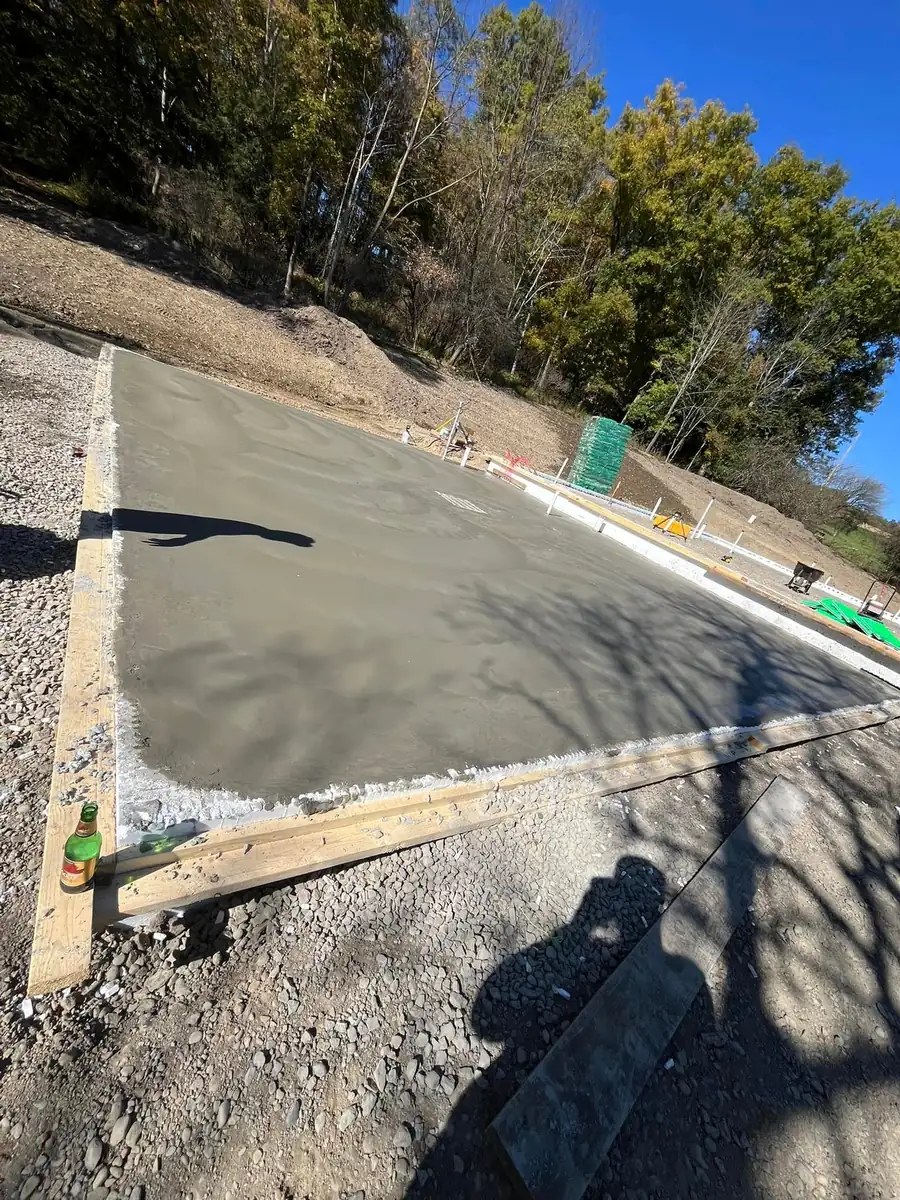
Basement Floor Replacement
Replacing a cracked or wet basement floor in Central NY: finding the water, removal, base, vapor retarder, radon-resistant options and code minimums.
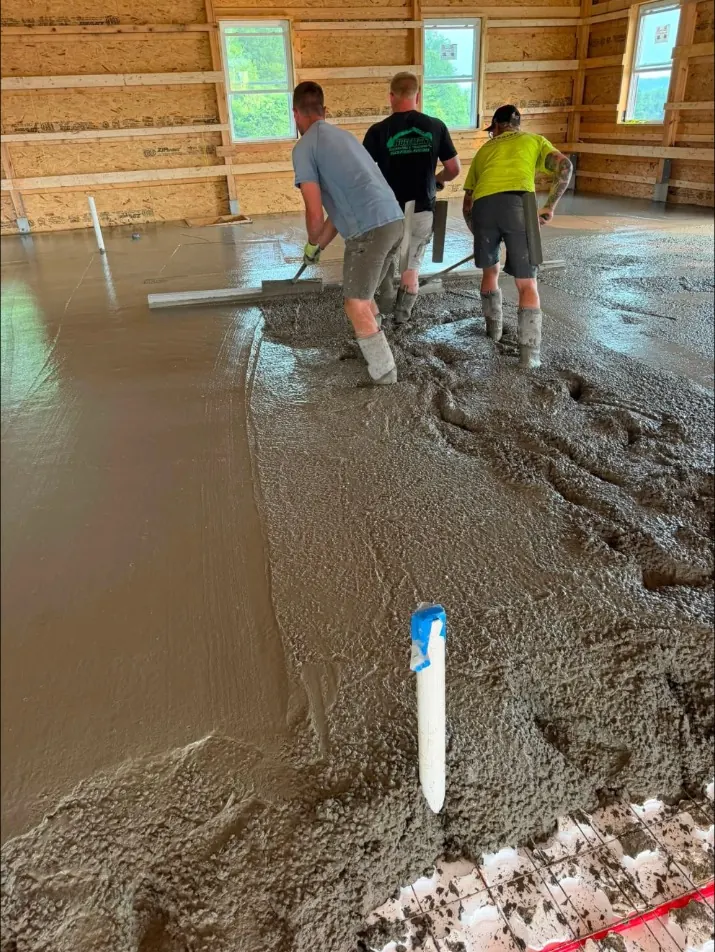
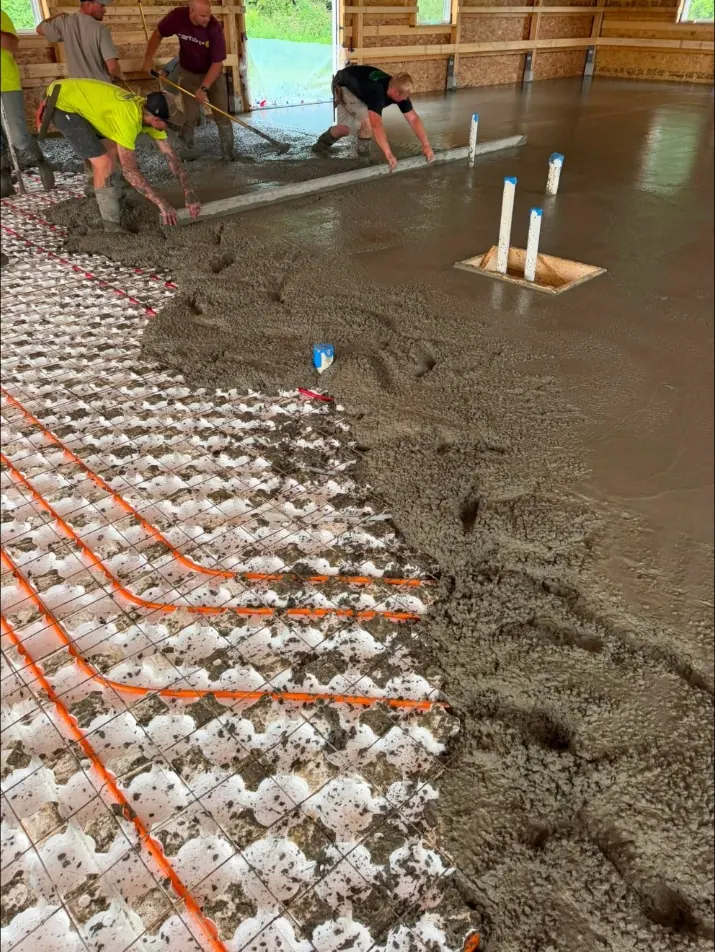
Radiant Floor Heat in a Concrete Slab
How in-floor radiant heat goes into a concrete slab: insulation, tubing, pressure testing, joints and pour day, from a crew that poured a 60-yard barndo floor.
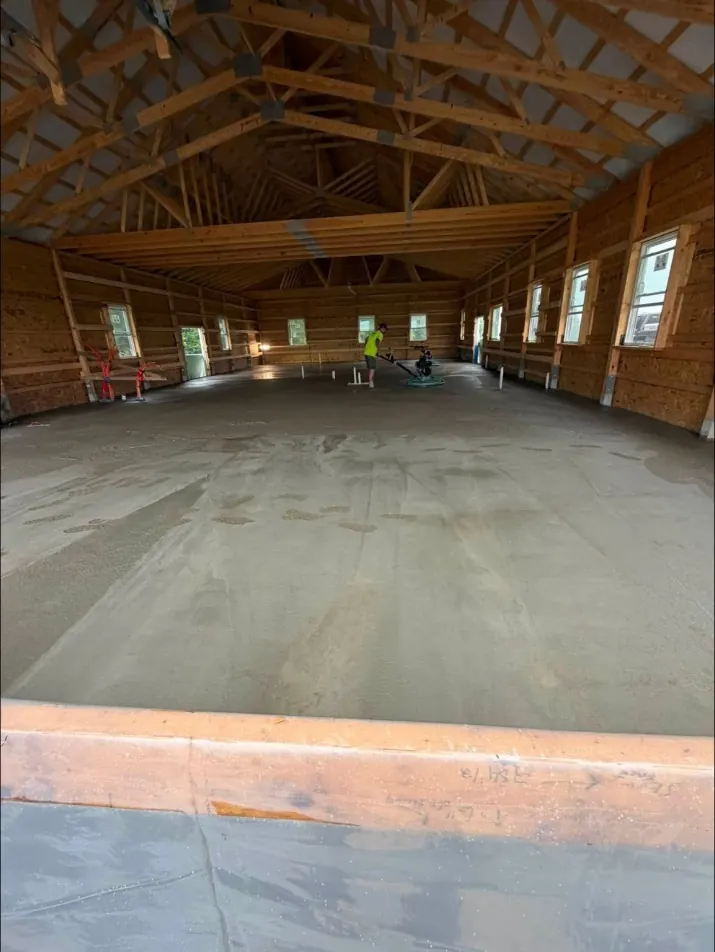
Barndominium Foundation Options
Frost wall and slab, frost-protected slab, or post frame with a floor poured later? Barndominium foundation options for Central NY frost and code, compared.
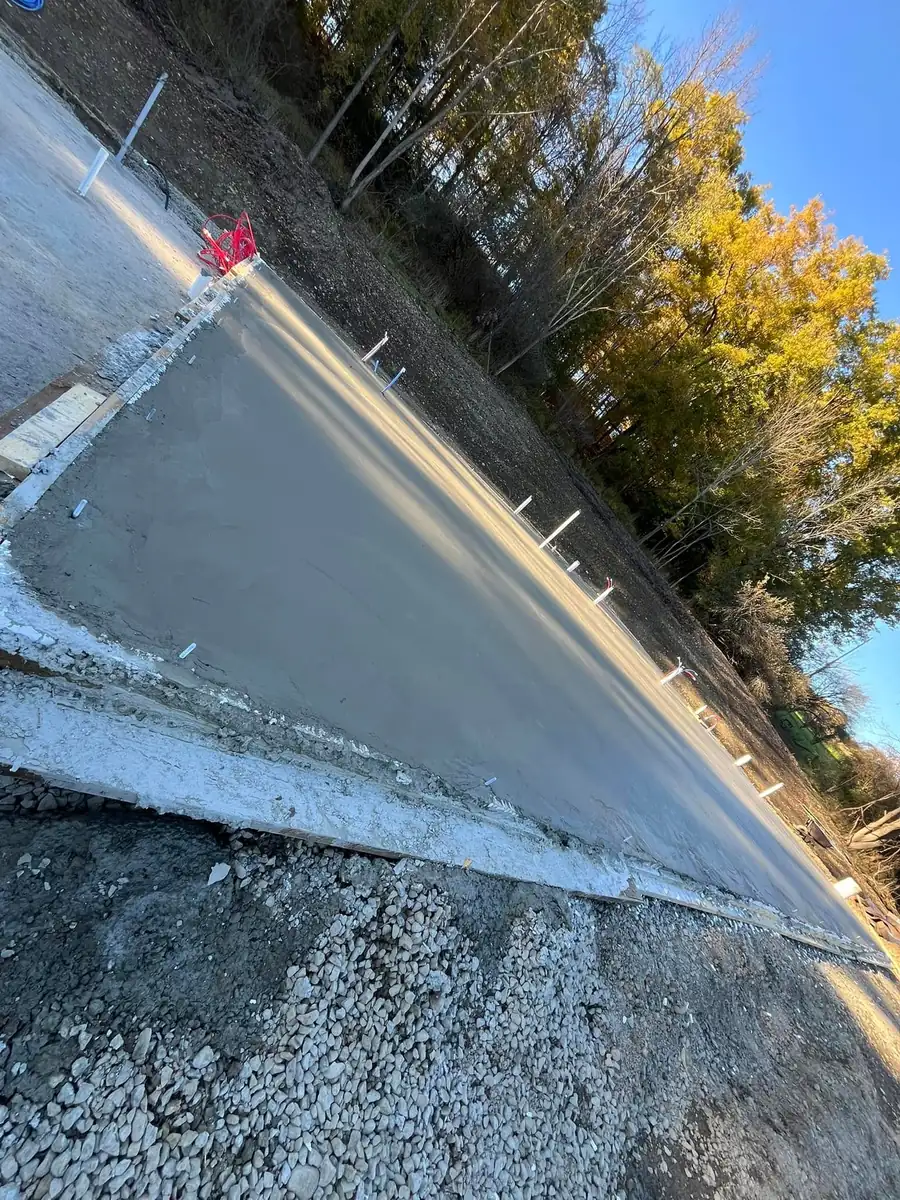
Frost-Protected Shallow Foundations
How frost-protected shallow foundations use insulation to keep footings shallow, when New York's residential code allows them, and the design numbers.
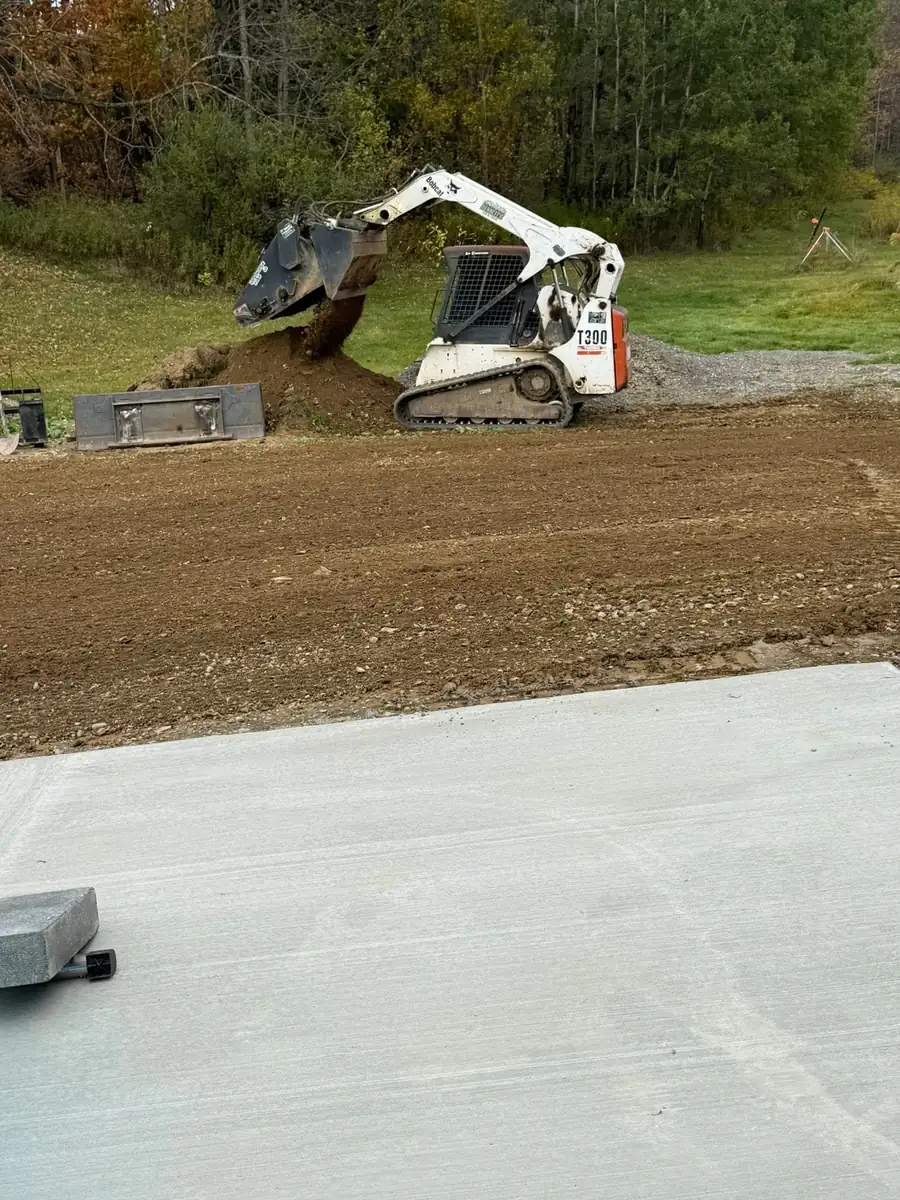
ICF vs. Poured Concrete vs. Block Foundations
Insulated concrete forms, poured concrete or block walls? Compare insulation, water resistance, finishing and cost drivers for a Central NY home foundation.
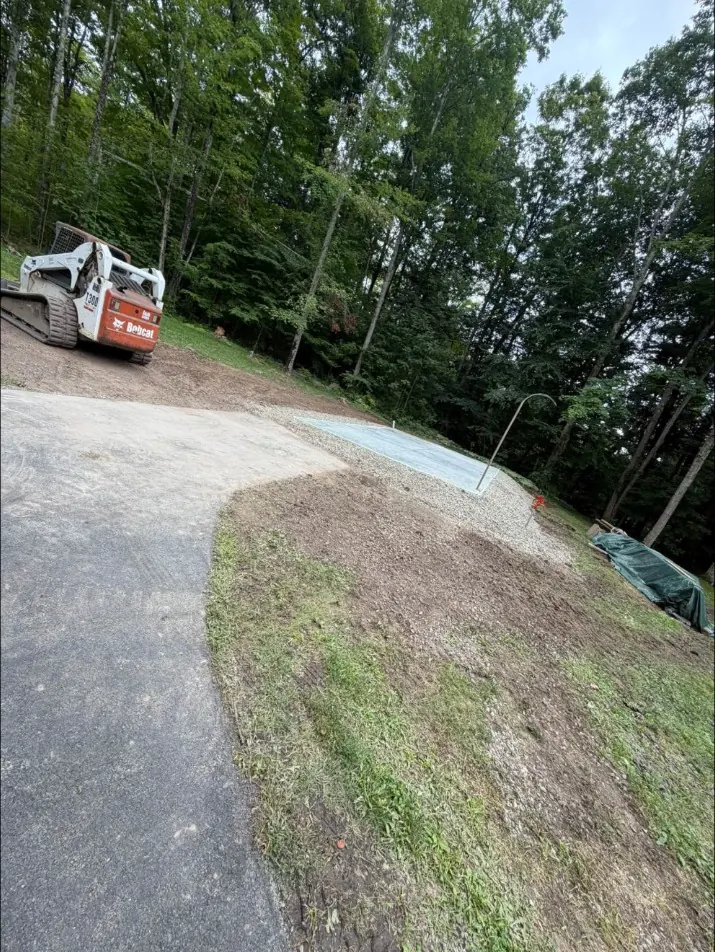
Concrete on Clay Soil in Central New York
Clay and glacial till soils in Central NY hold water and heave with frost. How to check your soil, build the base and drain the site so concrete stays put.
Excavation & site work
Call 811 Before You Dig in New York
New York's dig safe rules in plain English: notice of 2 to 10 working days, white lining, the tolerance zone and hand digging. Upstate calls go to UDIG NY.
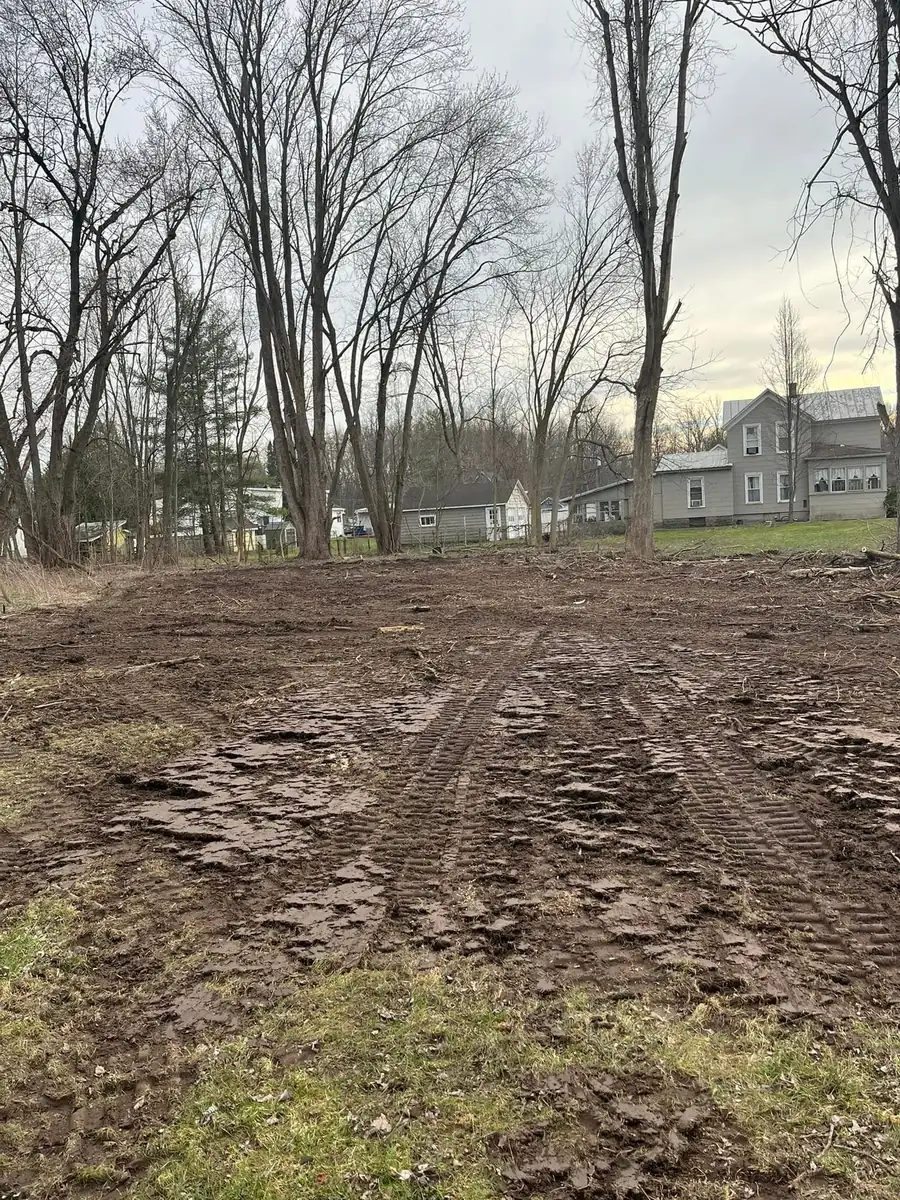
Does Your Project Need a NY Stormwater Permit?
When New York's construction stormwater permit applies to site work: one acre of soil disturbance statewide, smaller in some watersheds.
What Is Site Prep?
Site prep is the digging, grading, stone base and drainage work before anything is built. The steps, why each matters, and what's different in Central NY.
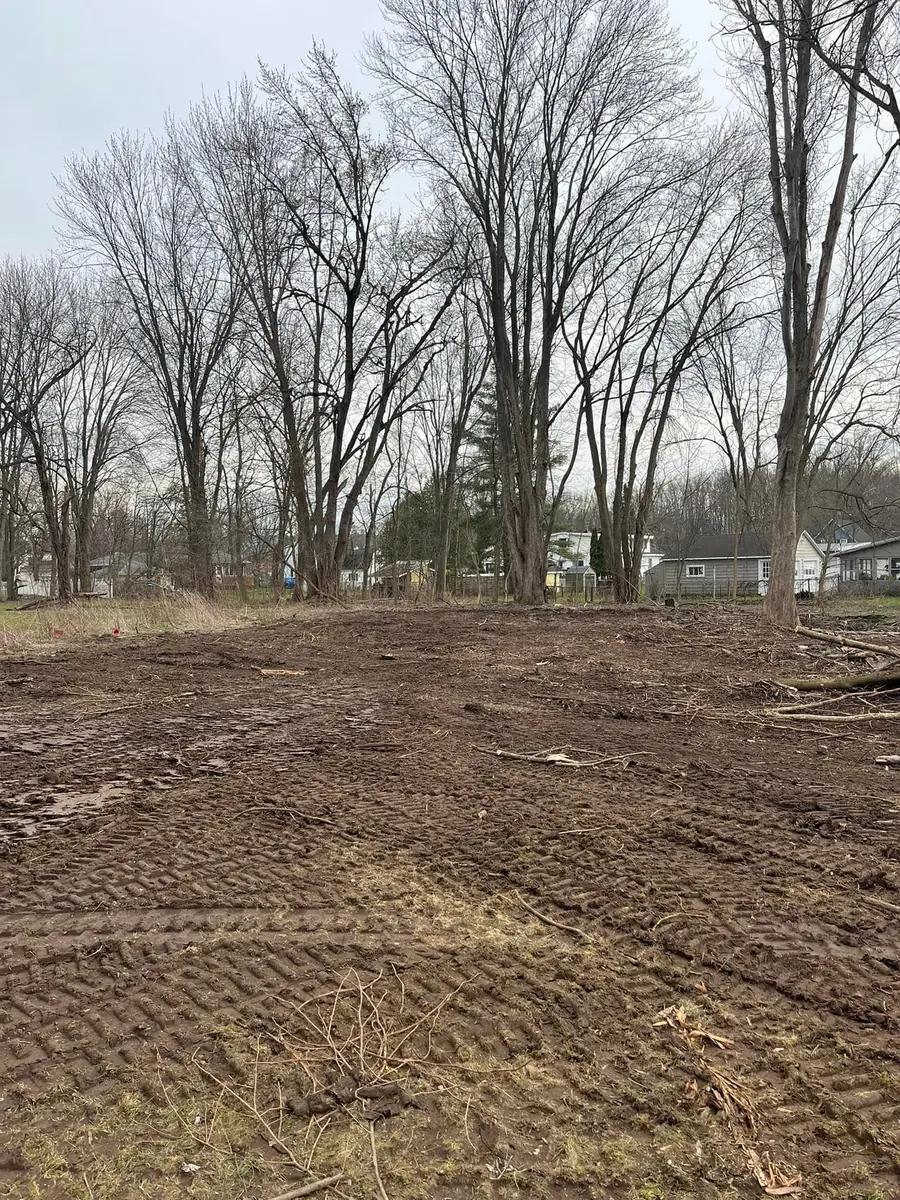
How to Prepare a Building Lot
Bought land in Central NY? The order of work to get a lot ready to build on: soils, permits, driveway, clearing, utilities, foundation dig and final grade.
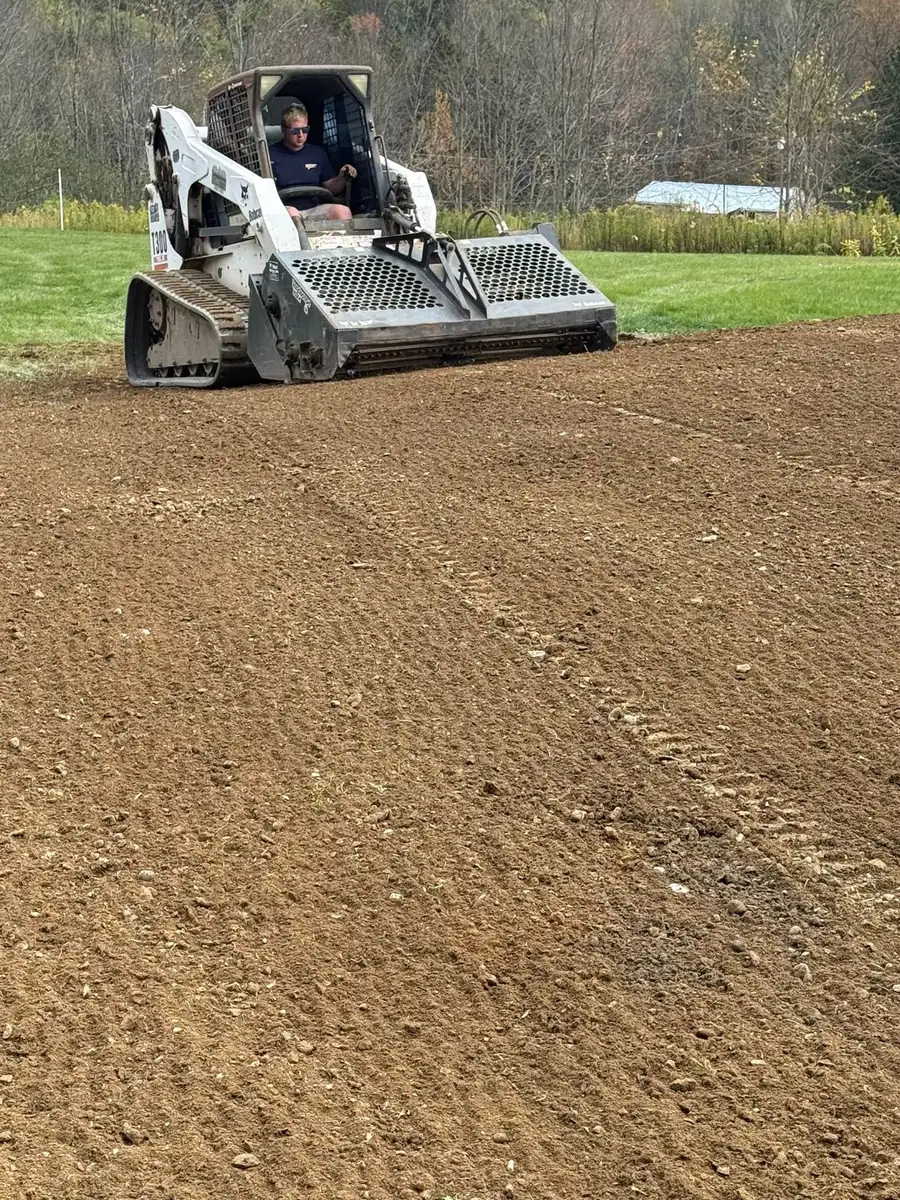
Grading Away From Your Foundation
How much the ground should slope away from your house, what New York's residential code section R401.3 says, and how flat or backward grade gets fixed.
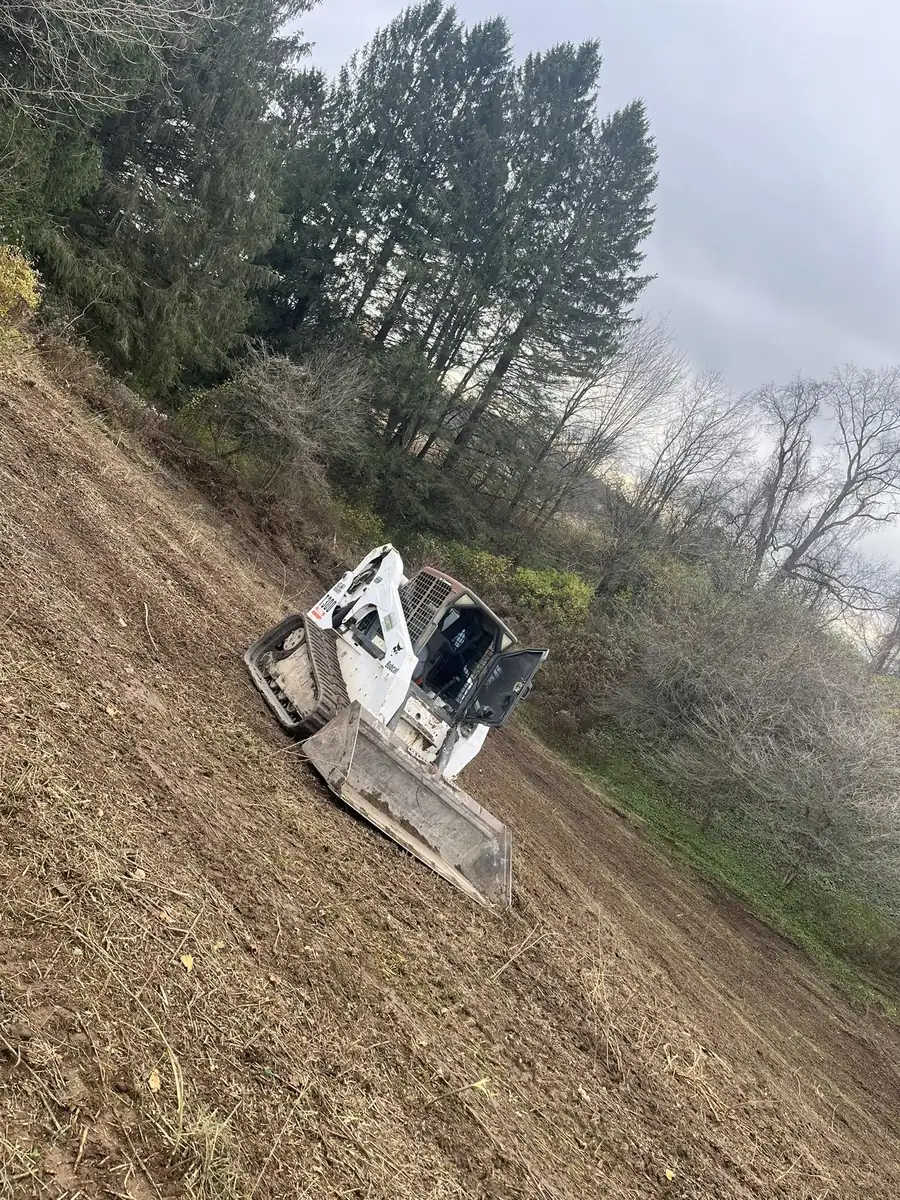
Fixing Yard Drainage by Regrading
Soggy lawn, puddles by the driveway or water near the basement? How regrading, swales and ditches fix yard drainage, and when you need more than a reshape.
Topsoil vs. Fill Dirt
Topsoil grows grass. Fill builds up grade and carries weight. How to tell them apart, what to use for each job, and how to check a load before it gets dumped.
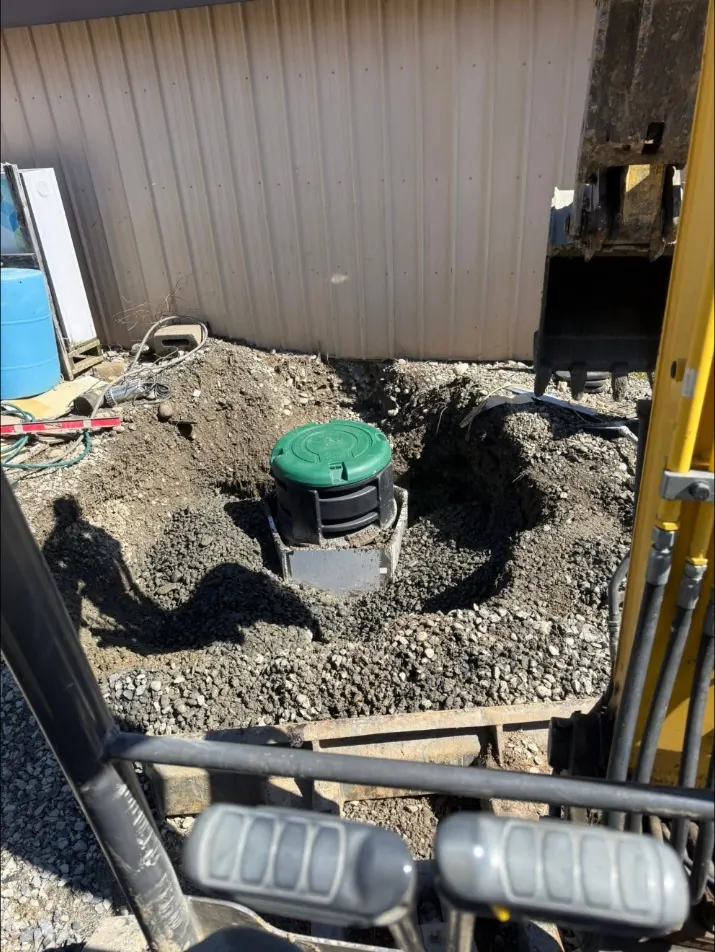
Excavation Day: What to Expect
What happens when the excavator shows up: 811 marks, getting equipment in, noise and mud, lawn damage, spoil piles and how to get your property ready.
Gravel
How to Build a Gravel Driveway That Lasts
How a gravel driveway is built to last in Central NY: excavation, fabric, base stone, crusher run and top stone, crown and drainage. Stone names explained.
New York Crushed Stone Sizes, Explained
What New York stone names mean: 1A, #1, #2, #3, crusher run, screenings and Item 304 subbase, with the typical uses for driveways, slabs and drainage.
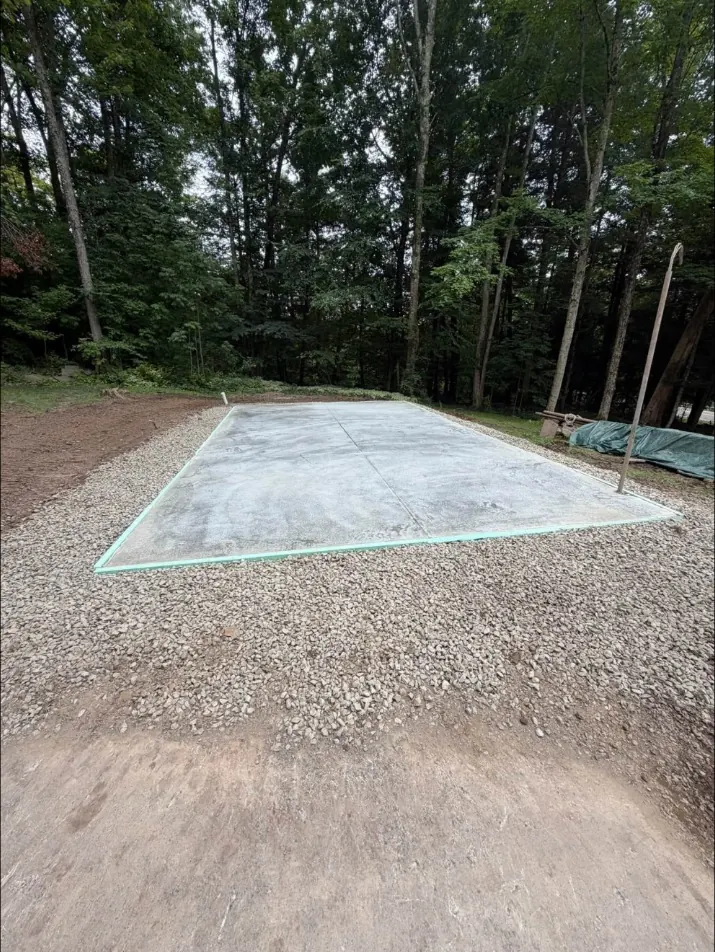
Gravel Driveway Maintenance
Keep a gravel driveway in shape in Central NY: fixing potholes the right way, restoring the crown, adding the right stone, mud season and plowing tips.
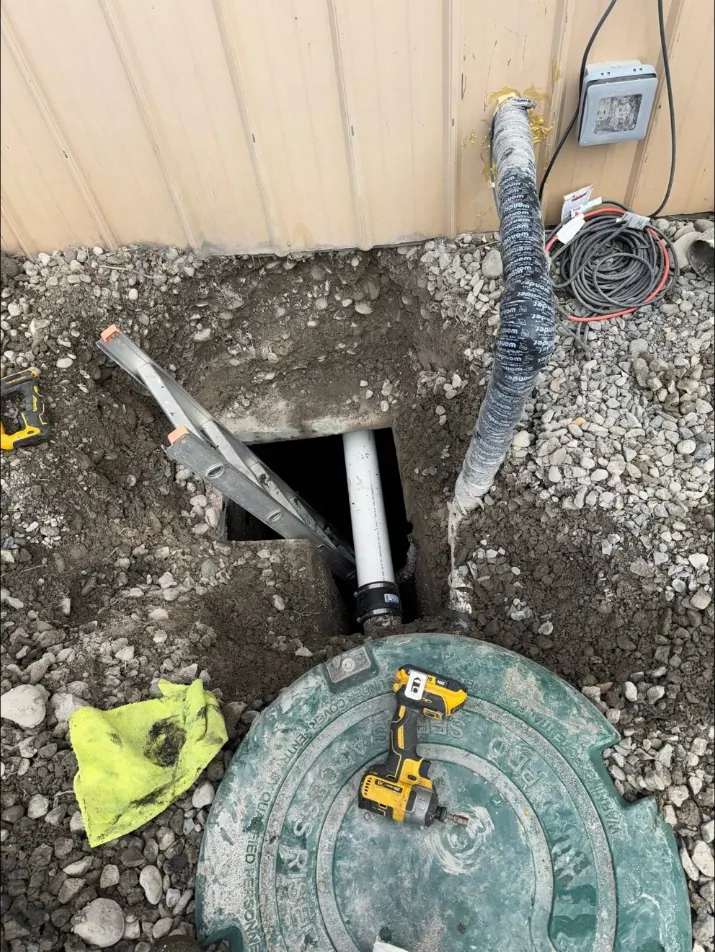
Driveway Culverts and Ditches
Who sets driveway culvert size in NY, Cornell rules of thumb for pipe size and cover, ditch slopes, and how to keep road water from washing out your driveway.
How Far Does a Ton of Gravel Go?
Square feet one ton of gravel covers at 2, 3, 4 and 6 inches deep, using 1.3 to 1.5 tons per cubic yard, plus driveway math and why compacted needs more.
Winter & care
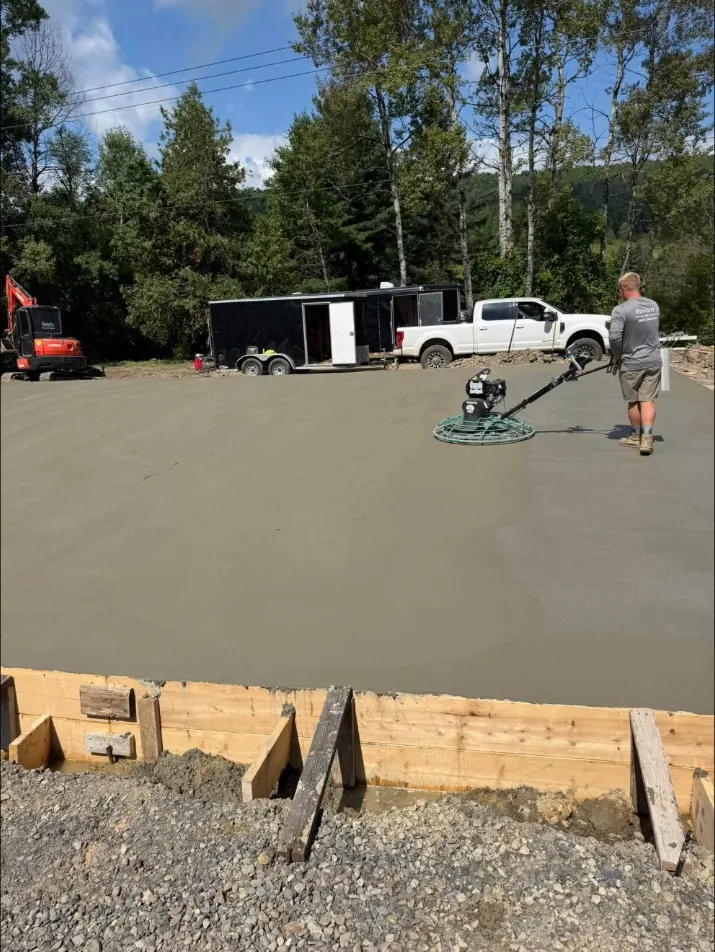
Pouring Concrete in Cold Weather
When it's too cold to pour concrete in Central NY, what cold weather concreting means, the 500 psi rule, and how fresh concrete is protected.
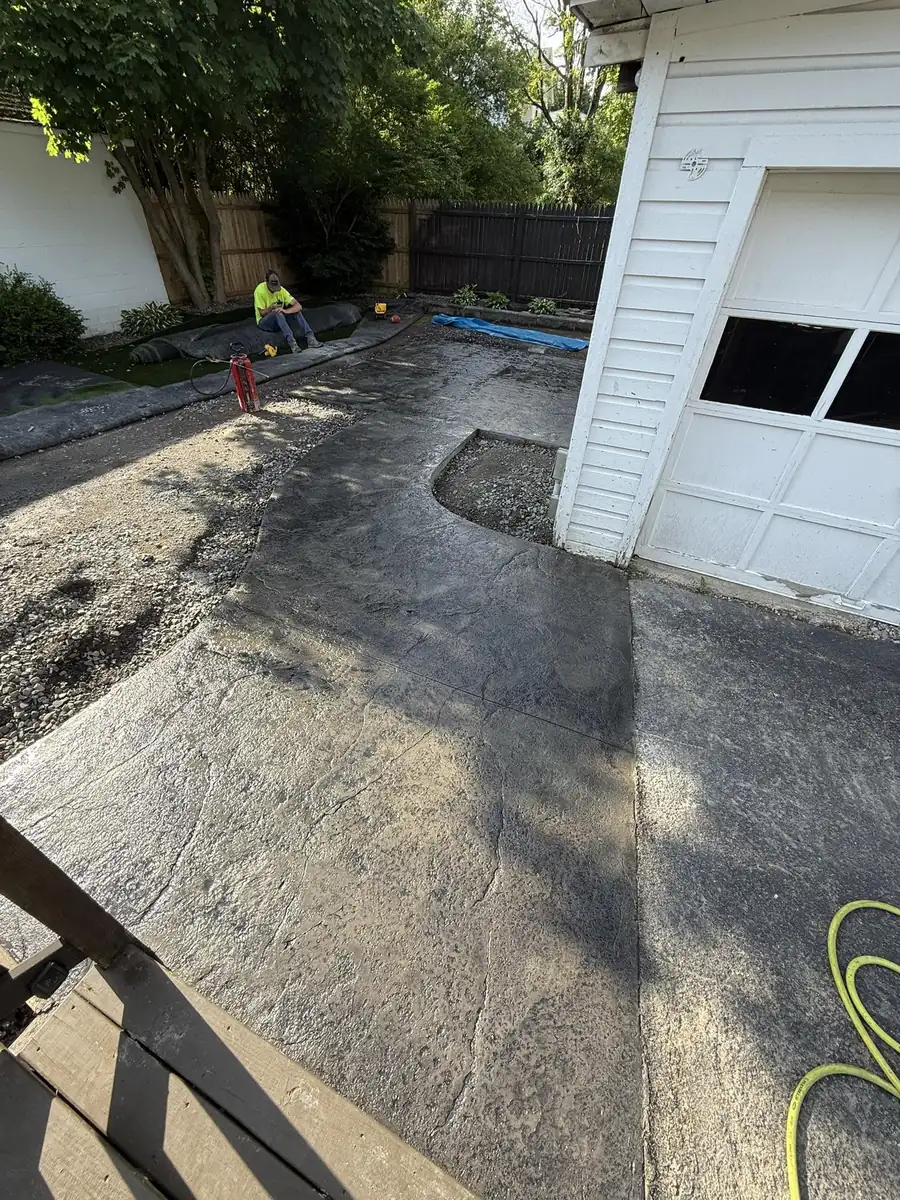
Caring for New Concrete in Its First Winter
How to protect new concrete in its first Central NY winter: deicers to avoid, using sand, when to seal, and how plowing and salt affect driveways and aprons.
When and How Often to Seal Concrete
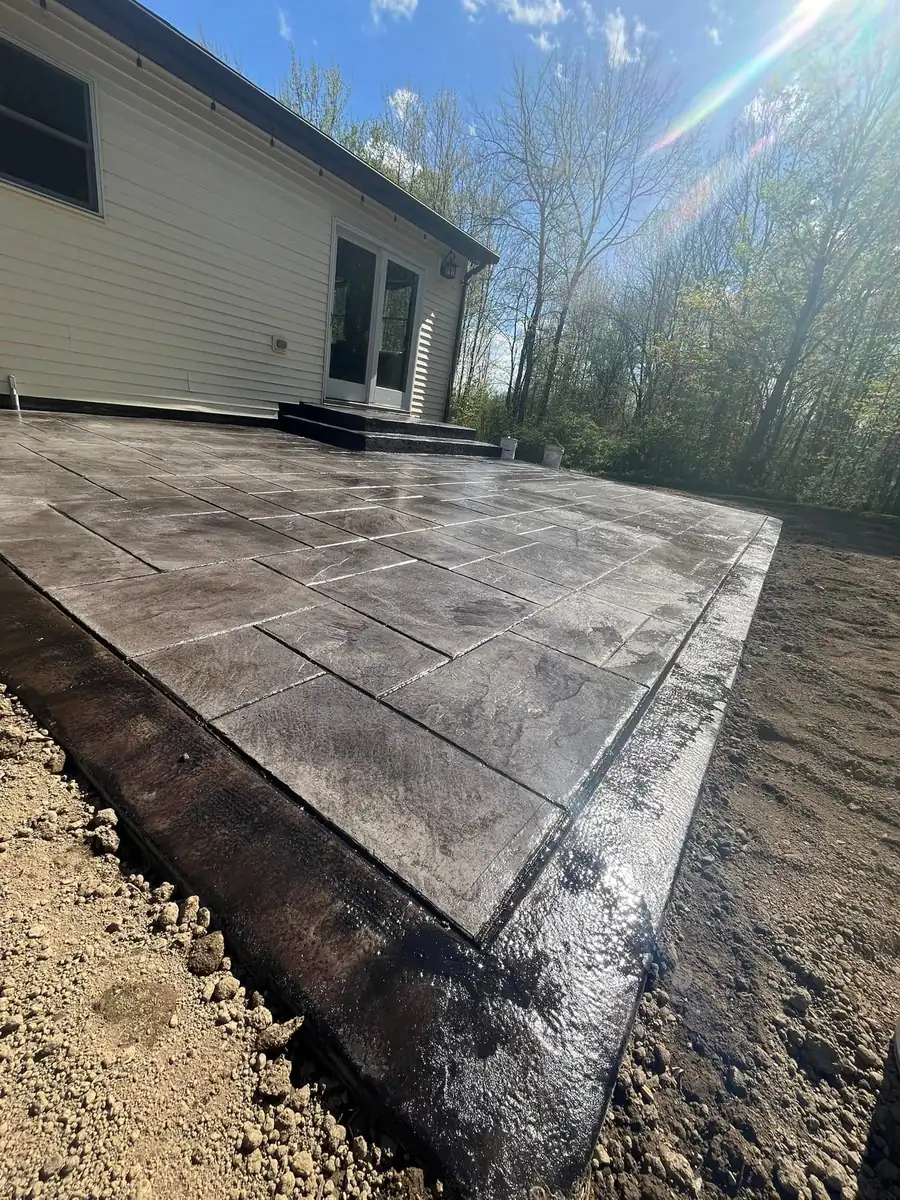
When to seal new concrete, how often to reseal driveways, aprons and stamped patios, and how to tell it's time. Tips from a Norwich, NY concrete contractor.
Concrete Scaling, Spalling and Popouts
Why concrete flakes, chips and pits in Central NY: scaling, spalling and popouts, what causes each, and when sealing, patching or replacement makes sense.
Efflorescence: White Stains on Concrete
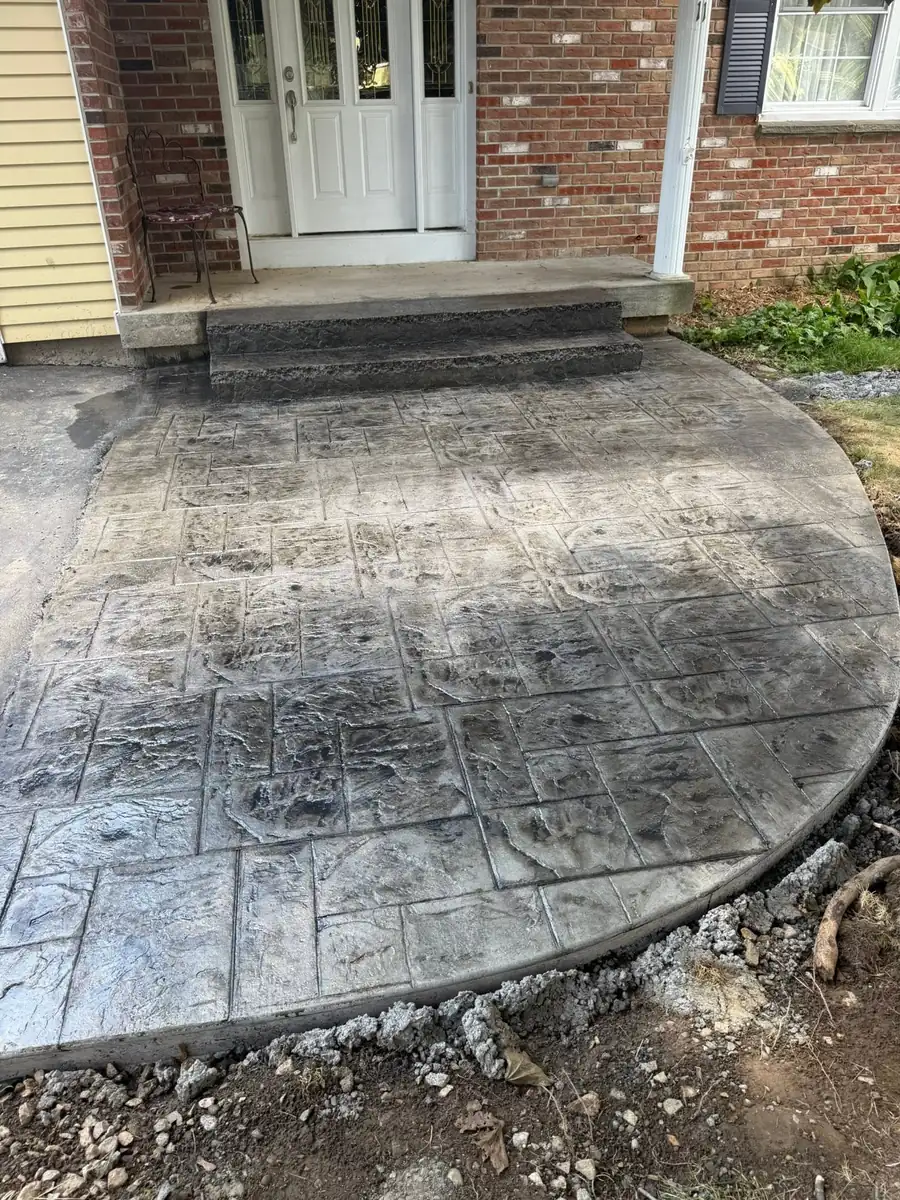
White chalky powder on concrete is usually efflorescence, salts carried up by water. What causes it, how to remove it safely and how to keep it away.
Removing Oil Stains from Concrete
How to get oil and grease stains out of a concrete driveway or garage floor: blotting, absorbents, degreasers, poultices, what to avoid and how sealing helps.
How to Maintain Stamped Concrete
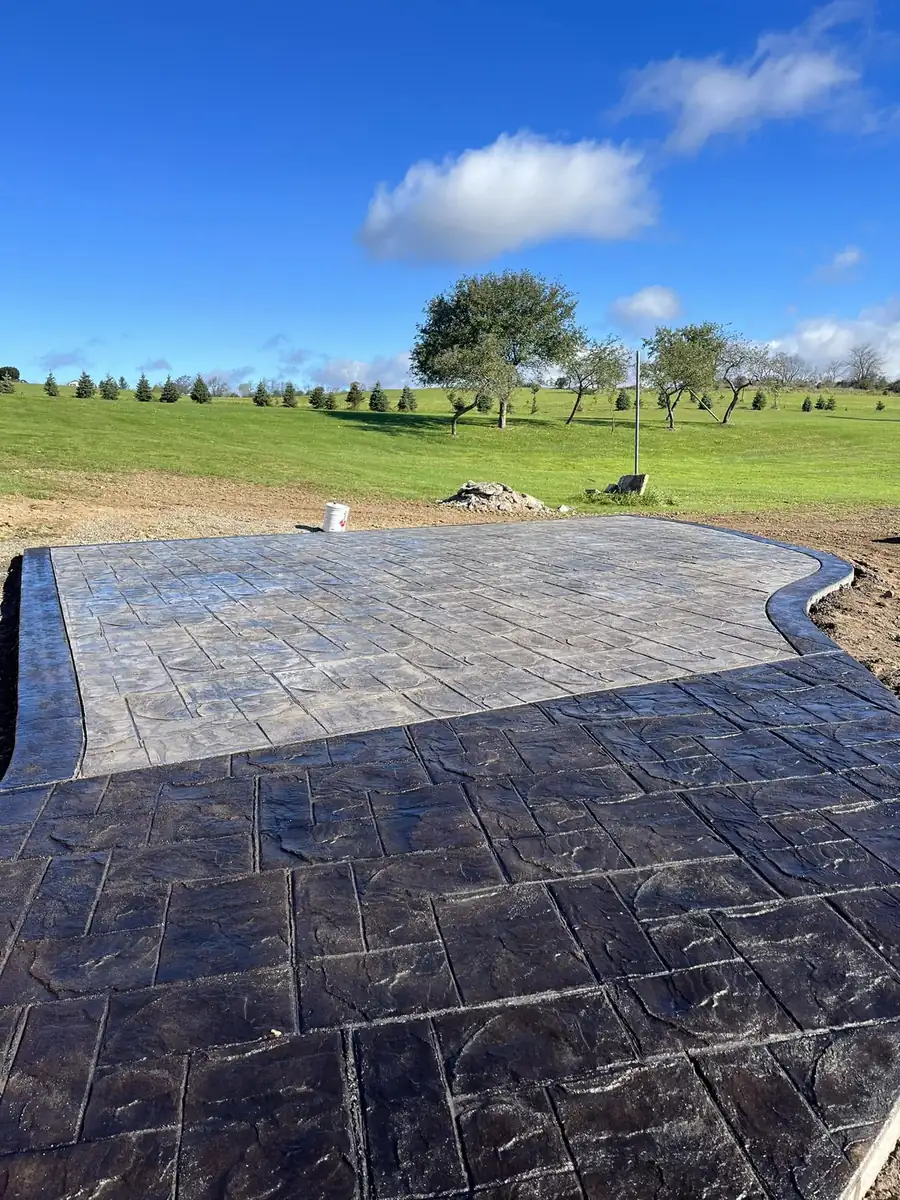
How to care for stamped concrete in Central NY: cleaning, when to reseal, slip-resistant additives, whitened sealer, salt and plows. A simple yearly routine.
Frost Heave, Explained
What frost heave is, the three things it needs, why Central NY soils heave, how deep frost goes here, and how bases, drainage and footings keep concrete still.
Protecting Concrete From Snowplows
How to keep plows, shovels and snowblowers from gouging concrete driveways, aprons and stamped patios in Central NY, and what to tell your plow driver.
Ice Melt and Salt Alternatives for Concrete
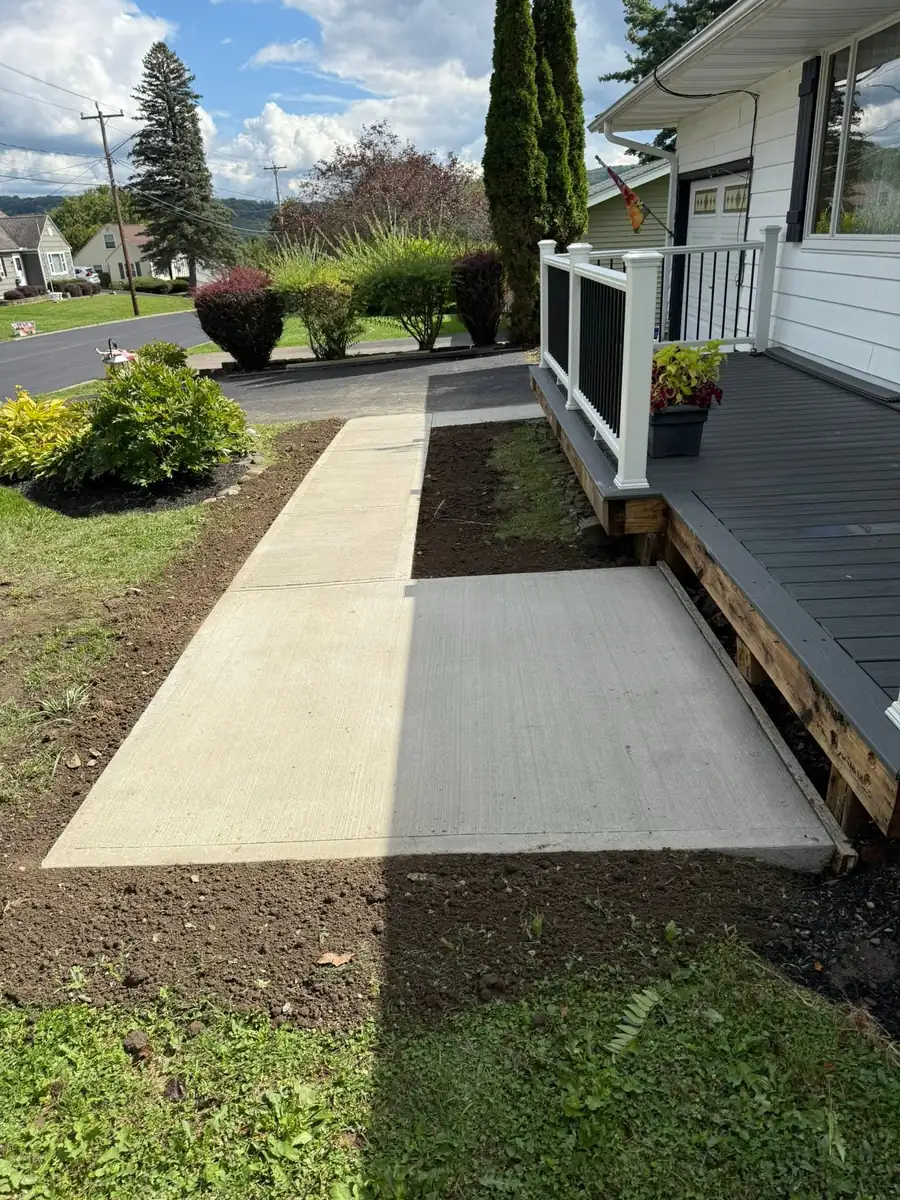
Which ice melts damage concrete and which are gentler: rock salt, calcium and magnesium chloride, CMA, urea and sand compared, with NRMCA's first-winter rules.
Planning & hiring
What Affects the Cost of Concrete Work
What drives the price of a concrete patio, driveway, floor or slab in Central NY: size, thickness, site prep, access, finish, removal and timing. No guesswork.
The Best Time to Pour Concrete in Central NY
When to pour concrete in Central New York: frost dates, spring mud, summer heat, fall cutoffs and what it takes to pour in the shoulder seasons, month by month.
Concrete Pump Trucks: A Homeowner's Guide
When a concrete job needs a pump truck, how boom and line pumps work, what setup takes (space, soil, power lines) and how to get your property ready.
How to Choose a Concrete Contractor
How to vet a concrete or excavation contractor in Central NY: what NY licensing does and doesn't cover, references, insurance, questions to ask and red flags.
What a Concrete Estimate Should Include
A line-by-line checklist for concrete and excavation estimates in NY: scope, base, thickness, reinforcement, finish, cleanup and what NY contract law requires.
How Long Does a Concrete Project Take?
How long a concrete patio, driveway or slab project takes in Central NY, step by step: estimate, permits, 811 notice, site prep, pour day, curing and sealing.
Ready to get on the schedule?
Call or text, or send the form. Free estimates.
Let's talk about your project
(607) 244-5118Call or text, or send the form. Tell us what you're thinking and where the job is, and we'll get back to you.
- Phone
- (607) 244-5118
- natebenn03@gmail.com
- Based in
- Norwich, NY