
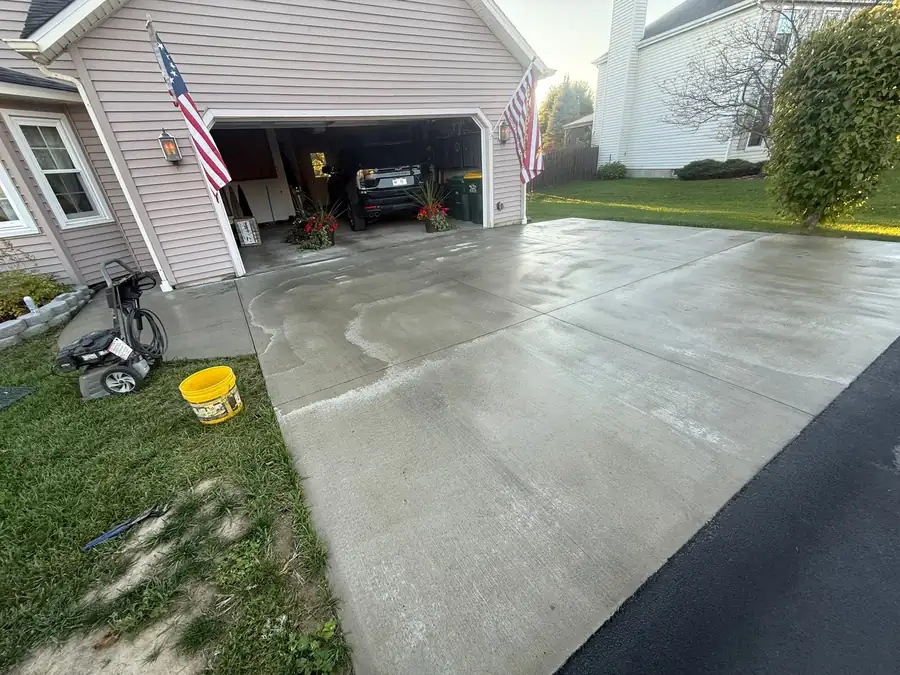
Concrete Driveways & Garage Aprons
A concrete driveway or apron takes a beating up here: snowplows, freeze-thaw cycles and road salt dripping off every car all winter. We build them for that, starting with the ground under the slab.
What goes into a driveway that lasts
- Excavation and base. We dig out soft material and build a compacted stone base with our own equipment. A good base is what keeps a driveway from cracking and heaving.
- Thickness. A typical residential driveway is about 4 inches of concrete. Heavier trucks or equipment call for a thicker slab, and we'll size yours for what actually drives on it.
- Reinforcement and joints. Reinforcement where it's needed, and control joints cut on a sensible grid so shrinkage cracks follow the joints.
- Drainage. The surface slopes so water and meltwater run off instead of sitting against the garage.
Aprons and salt
The apron in front of the garage gets the most salt, because it melts off your car all winter. On aprons we use a salt-repellent sealer, and we can come back to wash, degrease and reseal before winter. It's one of the cheapest ways to make concrete last longer. See concrete cleaning and sealing.
Replacing a cracked or broken driveway
If your driveway is heaved, broken up or full of patches, we can tear it out, haul it away, fix the base and pour new. Storm damage is fair game too. If a storm washed out part of your driveway or yard, we can rebuild it.
Where we do concrete driveways & aprons
From our shop in Norwich we cover Chenango County and Central New York, including:
Concrete Driveways by town
Our work, not stock photos.
Every photo here is a Bennett's job from our own crew.
Straight answers.
Don't see yours? Call (607) 244-5118. You'll talk to the people doing the work.
Concrete or asphalt for a driveway in Central NY?
Both work. Concrete lasts longer and needs less upkeep but costs more up front and needs care with salt the first winter. Asphalt is cheaper to install but needs sealcoating and patching. Our guide walks through the tradeoffs.
When can I drive on a new concrete driveway?
Usually after about a week for cars, longer for heavy trucks. We'll tell you exactly for your pour and the weather.
Can you just do the apron?
Yes. A lot of people redo just the apron in front of the garage, where salt and weight do the most damage.
Do you do gravel driveways too?
Yes. See gravel driveways and pads. We can also deliver gravel with our own dump truck.
Helpful guides
Concrete vs. Asphalt Driveways in Central New York
Concrete or asphalt for a driveway in Central NY? Lifespan, upkeep, winter salt, plowing and repairs compared by a Norwich concrete and excavation contractor.
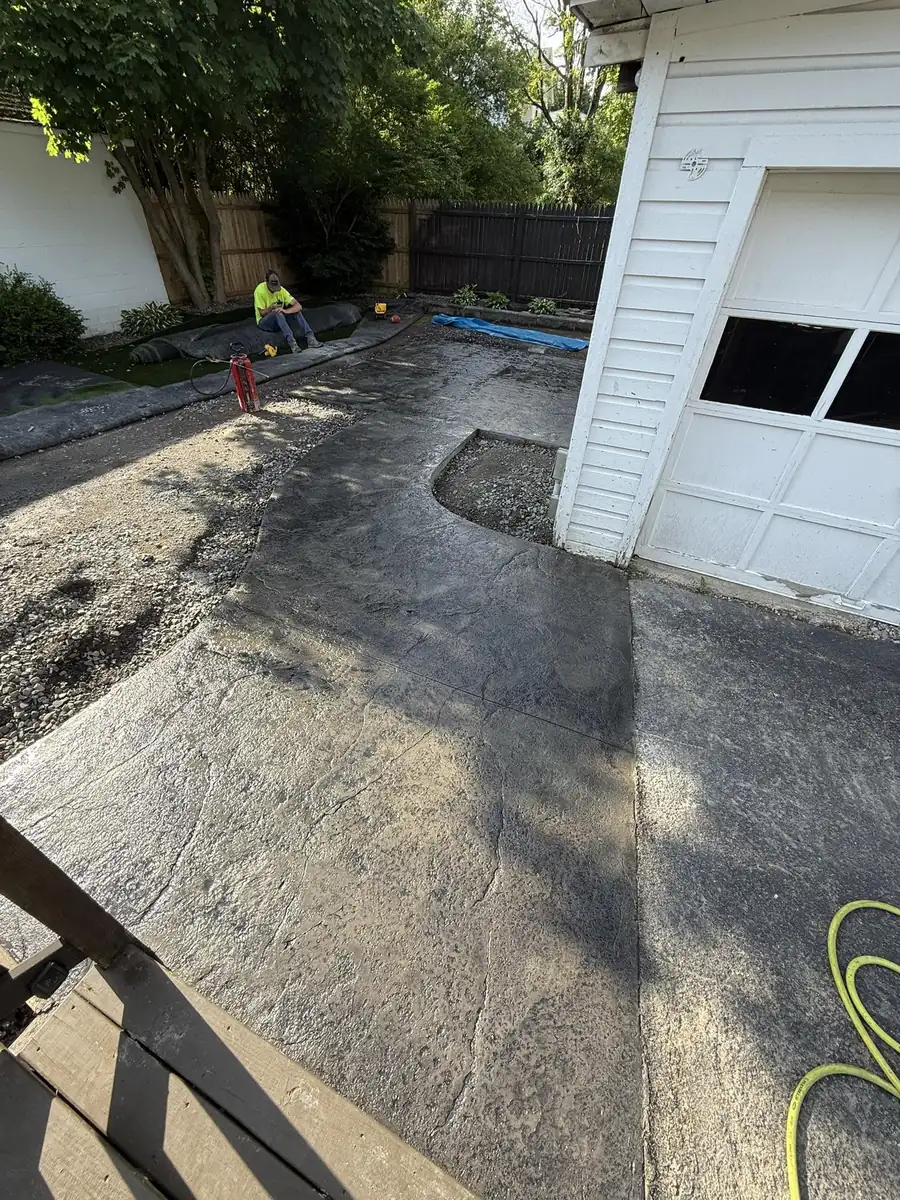
Caring for New Concrete in Its First Winter
How to protect new concrete in its first Central NY winter: deicers to avoid, using sand, when to seal, and how plowing and salt affect driveways and aprons.
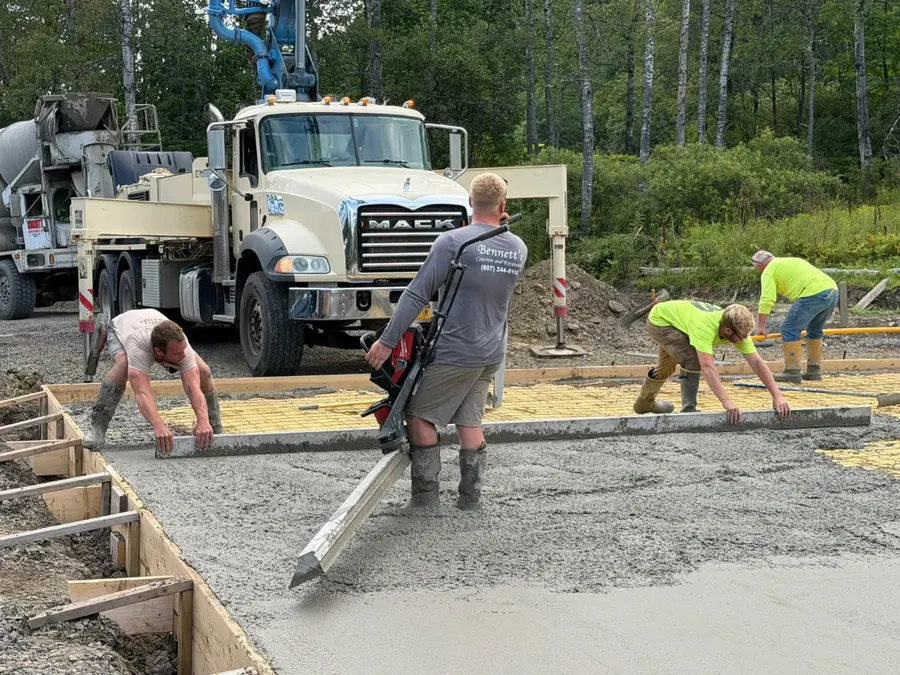
What Affects the Cost of Concrete Work
What drives the price of a concrete patio, driveway, floor or slab in Central NY: size, thickness, site prep, access, finish, removal and timing. No guesswork.
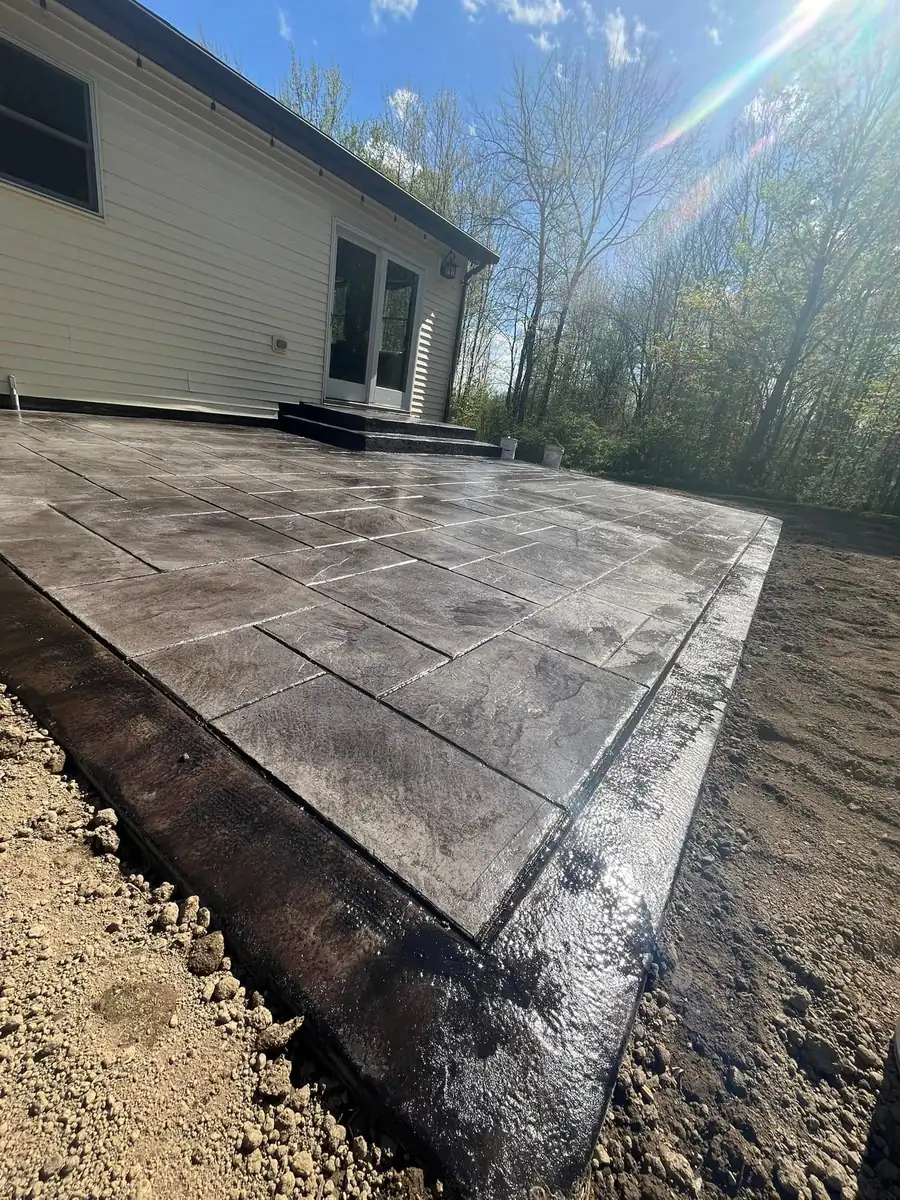
When and How Often to Seal Concrete
When to seal new concrete, how often to reseal driveways, aprons and stamped patios, and how to tell it's time. Tips from a Norwich, NY concrete contractor.
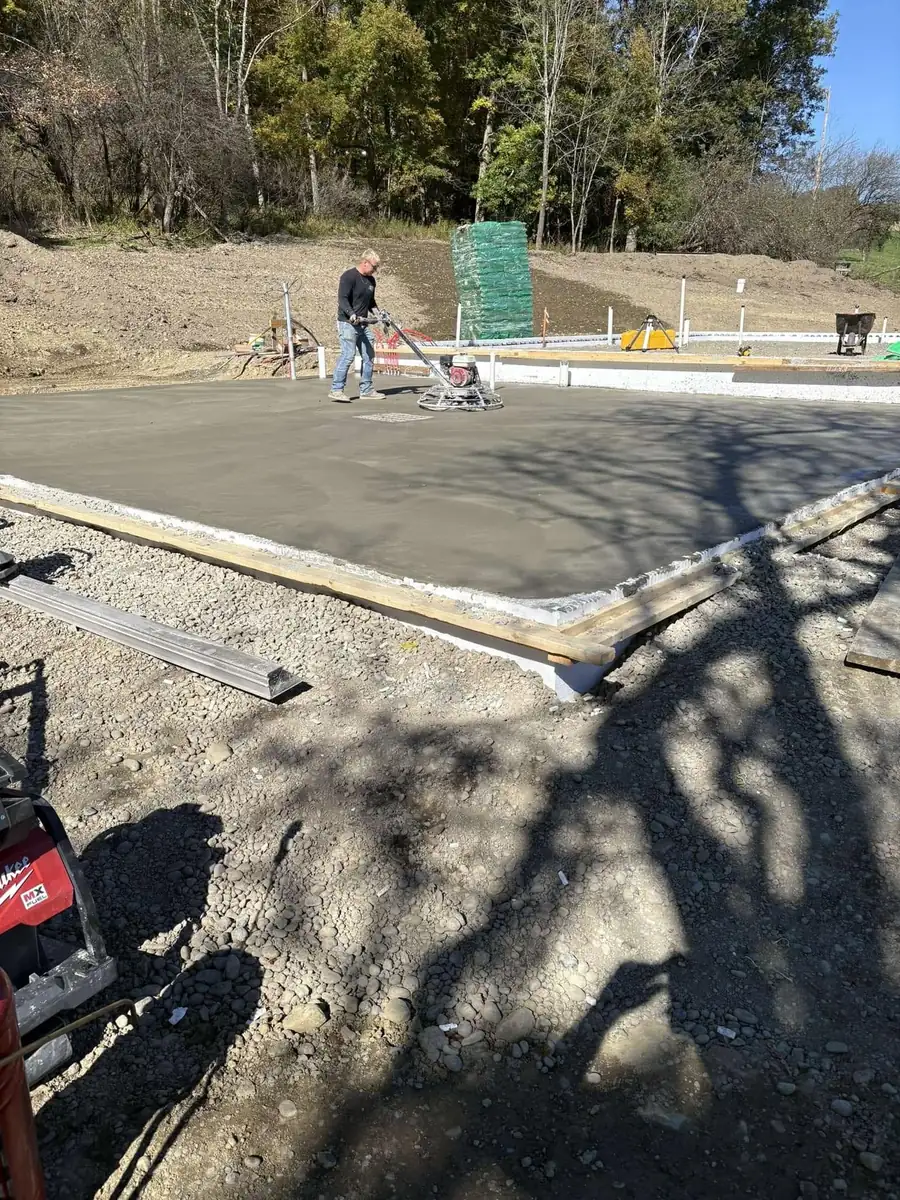
How Long Does Concrete Take to Cure?
Concrete sets in hours, needs 3 to 7 days of curing and is rated at 28 days. What each stage means for your slab, plus curing methods and cold-weather limits.
When Can You Drive on New Concrete?
How long to wait before driving or parking on a new concrete driveway, why heavy trucks wait longer, and how cold Central NY weather changes the timeline.
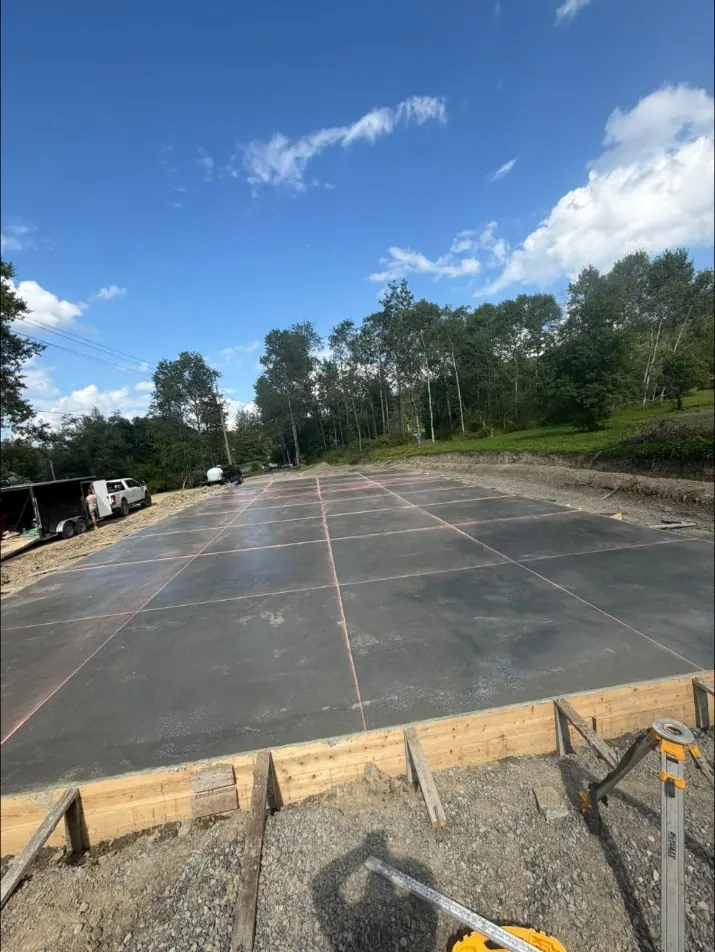
Why Does Concrete Crack?
Concrete cracks because it shrinks, moves with temperature and sits on soil that moves. The main causes, what Central NY adds, and what reduces cracking.
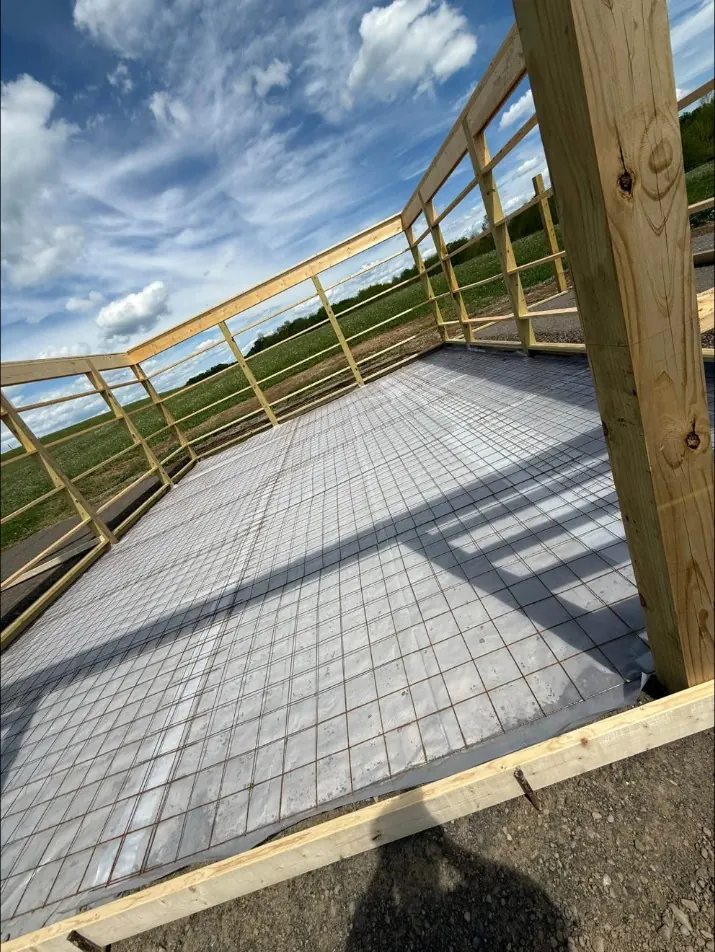
Rebar, Wire Mesh or Fiber: What Your Slab Needs
Rebar, welded wire mesh and fiber compared for slabs, driveways and floors: what each does, what none of them do, and why placement in the slab matters most.
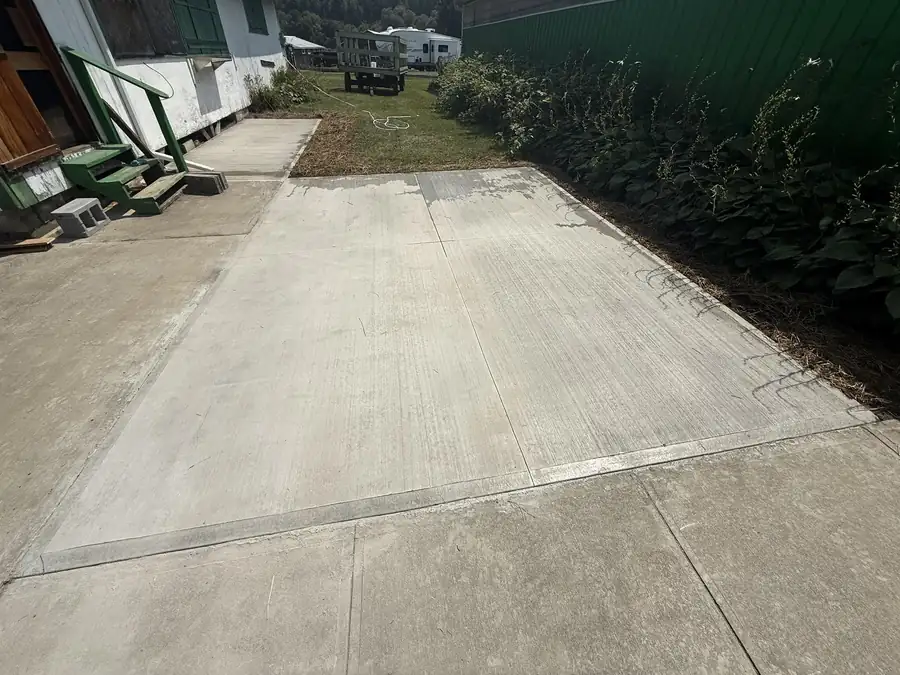
Air-Entrained Concrete and Freeze-Thaw
Air-entrained concrete holds billions of tiny bubbles that protect it from freeze-thaw and salt. Air content targets, NY code, finishing and pumping explained.
Tell us about your concrete driveways & aprons project
(607) 244-5118Call or text, or send the form. Tell us what you're thinking and where the job is, and we'll get back to you.
- Phone
- (607) 244-5118
- natebenn03@gmail.com
- Based in
- Norwich, NY